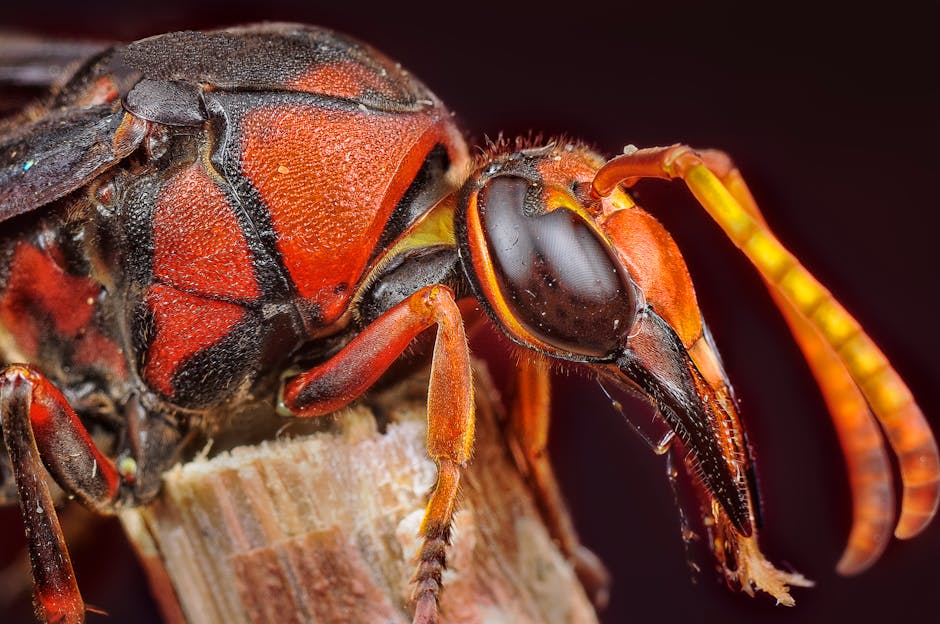
Tiny terrorists with wings threaten to turn New Zealand's ecosystem upside down.
Okay friends, grab your coffee and maybe a stiff drink, because we need to talk about what might be the most dramatic insect reality show since that time cockroaches learned to ride public transport in Tokyo. New Zealand's got uninvited guests, and no, I'm not talking about your weird uncle who visits unannounced and critiques your Wi-Fi password. These party crashers wear striped suits, pack venomous stingers, and have the audacity to look like someone crossbred a wasp with a nightmare. Meet the Asian yellow legged hornet, or as I like to call them, Nature's Jerk Neighbors.
Picture this: you're chilling in Auckland, enjoying your avocado toast (because obviously), when suddenly some beekeepers start reporting winged bullies mugging their honeybees at the hive entrance. These hornets aren't just rude, they're professional assassins. They hover like creepy drones, snatch bees mid-flight, and chop them into protein smoothies for their larvae. If the Bee Movie was a thriller instead of a rom-com? This would be the villain.
Now let's talk numbers because wow, the stats are scarier than realizing you left your phone in an Uber. In parts of Europe where these guys set up shop, they've wiped out 30% to 80% of beehives. Let that sink in. Imagine eight out of ten coffee shops disappearing overnight. That's basically the bee equivalent. And bees? They're not just about making honey for your fancy tea. They pollinate like two thirds of our food crops. No bees, no avocados, no almonds, no blueberries. It'd be like the Middle Ages but with worse WiFi.
So how did these six legged troublemakers land in New Zealand? Probably stowed away in cargo, like botanical Bonnie and Clydes. Sneaky buggers. First, two sluggish males were caught this winter looking like they partied too hard on the voyage over. Officials probably thought Hooray, crisis averted! But nope. Turns out they were just the scouts. Now spring's here and we're finding actual hornet queens building condos in Glenfield like they're on an episode of Grand Designs: Invasive Species Edition.
Here's where my science nerd brain goes Wait, hold up. Queens? Plural? That's the ecological equivalent of finding one mouse in your kitchen versus discovering they've already built a theme park in your pantry. Because one nest can pump out 500 NEW queens in a season. Five. Hundred. At that point, it's not a pest problem, it's a buzzing blitzkrieg.
Now, full credit to the Ministry for Primary Industries (MPI) folks working overtime like caffeinated superheroes. They're out there with nets and traps, playing the world's worst game of Where's Waldo with monsters who can fly 30 kilometers in a year once established. But let's be real. Right now, we're trying to stop a potential ecological dumpster fire with what looks like a garden hose. The search radius is allegedly too small, the resources stretched thinner than marmite on budget toast. And get this, MPI's following international guidelines that worked elsewhere. Cool cool cool, except Earth to Bureaucracy, ecosystems aren't Ikea furniture! You can't just follow the same instructions everywhere. European hornets commute differently than Kiwi ones, probably.
But wait, there's hope! Majorca actually eradicated these pests after six years of going full Hunger Games on their nests. How? Citizen scientists, government workers, and probably some very brave souls with really long poles. New Zealand could do this faster. We invented Vespex, this genius toxic bait that murders wasps without bothering bees. It's like chemical warfare but for the good guys. But here's the kicker, folks. Octopuses use tools, crows recognize human faces, and yet our response to an existential bug crisis is still underfunded? That math ain't mathing.
Meanwhile, let's discuss human risks. These hornets don't just sting, they commit hate crimes against flesh. Multiple stings can kill people. Imagine relaxing in your garden when suddenly AHH MY ARM'S THE SIZE OF A RUGBY BALL! Yeah, forget sharks, spiders, or drop bears, this is the real terror. Not to mention the economic fallout. Europe's spent tens of millions fighting these things. What's that mean for New Zealand? Less money for schools, roads, healthcare, because we're suddenly funding Hornet SWAT teams.
Which brings me to my not so subtle PSA. If you see a suspiciously large striped jerk buzzing around, don't try to be the hero who whacks it with a jandal. Report it! MPI needs every ordinary Kiwi to become a backyard surveillance system. Imagine if we crowdsourced this invasion like it's a nationwide Pokemon Go hunt except the Pokemon wants to murder our food supply.
Bottom line? This isn't just about saving bees or avoiding ER visits (although both are great perks). It's about whether New Zealand wants to become the guy who ignores the dripping tap until the whole house floods. With nature, small problems compound faster than credit card debt. Miss this window, and we're stuck with permanent winged roommates who eat our pollinators, terrify our picnics, and cost us millions. No pressure, right?
So yeah, this might sound overdramatic but only because it IS dramatic. We're literally in a race against time where the prize is... baseline normalcy. Let's throw everything at this, New Zealand. More funding, more boots on the ground, more public awareness posters featuring hornets with giant red X's through them. Future generations will either toast our victory or curse our complacency over their dandelion salad (because that's all that'll be left to eat). Choose wisely.
 By Georgia Blake