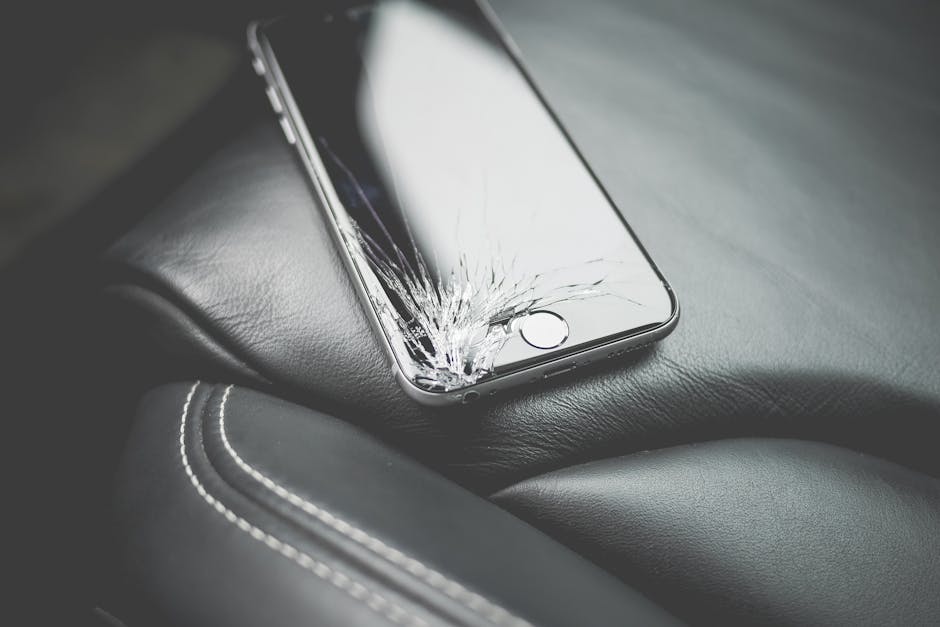
Your phone makes holiday scams effortless for criminals. Let’s break that cycle.
I watched my neighbor sprint down our snowy driveway last December, phone clutched in one gloved hand, the other waving frantically at a UPS truck already turning the corner. This was Karen’s third attempt that week to intercept a package containing her granddaughter’s Christmas gift, something called a Squishimal deluxe playset that kept selling out faster than holiday goodwill. Two hours later, Karen called me in tears. The tracking link she’d frantically clicked from a text message drained $800 from her bank account and redirected her real package to an address six states away.
Karen isn’t technologically naive. She’s just human. And during the holidays, our very humanness exhaustion, distraction, kindness becomes an open door for digital predators. What fascinates me isn’t just the creativity of modern scammers, though their gift card draining schemes deserve grudging points for ingenuity. It’s how perfectly our devices and apps enable these crimes while convincing us they’re the solution.
Consider social media marketplace scams, which surged 300% last December according to the Better Business Bureau. Platforms built entire empires convincing us to abandon cautious shopping habits. Why drive to stores when same day delivery promises instant gratification? Why vet unfamiliar retailers when algorithmically boosted ads appear between posts from cousins and college friends? This illusion of safety within the digital village leaves millions vulnerable when pop up shops vanish after stealing payment data, their ads fueled by platforms more interested in ad revenue than merchant verification.
Here’s the uncomfortable hypocrisy no tech executive wants to discuss during earnings calls. Your favorite apps spend billions making checkout frictionless encouraging you to buy impulsively while doing laughably little to verify sellers. A research team at UC Berkeley recently created 100 fake e commerce stores across five major platforms using AI generated product images and stolen branding. Only one platform flagged them for review within a week. Three stores made actual sales to the researchers’ own test accounts. This isn’t a security oversight. It’s business as usual.
Now consider gift cards, those glittering rectangles of holiday obligation. Modern draining scams reveal a bizarre technological regression. Criminals steal hundreds of cards from physical displays, record their numbers and PINs, then return them to stores. When victims later purchase and activate these tampered cards? Poof. Digital theft executed with analog patience. Stores could prevent this by locking cards or validating activation. But why would they? Gift cards represent pure profit since billions go unused annually. The incentive leans toward convenience over security, making them ideal scam vehicles.
Then comes the phishing text, perfectly timed for holiday vulnerability. Maybe it mimics UPS about a stranded package, or Target offering emergency discounts. Last year Americans lost over $300 million to smishing (SMS phishing), often because fatigue overrides caution at year’s end. Again, technology greases the wheels. Scammers exploit legitimate delivery tracking systems’ opacity. When you can’t easily verify shipments through official channels, fraudulent alerts gain credibility. The solution isn’t memorizing red flags. It’s demanding that retailers and shippers provide clearer communication channels and educating customers about legitimate opportunities.
Travel scam victims face perhaps the cruelest lessons. An incredible deal appears just when flight costs spike. You book that discounted Caribbean villa through a polished website, only to arrive and find it doesn’t exist. Hackers excel at cloning legitimate sites and payment portals, while AI chatbots handle fake customer service queries. What shocks me is how travel platforms avoid liability by framing themselves as mere intermediaries, not booking agents. Section 4.3 of most terms of service agreements makes excellent kindling for tear soaked complaint letters.
Three systemic issues feed this holiday scam economy. First, we tolerated terrible digital hygiene because convenience felt worth the risk. Second, lawmakers failed to update consumer protections for platform dominated commerce. Finally, tech companies built brilliant engagement machines without equally brilliant accountability measures. The results speak for themselves. A shaming 87% of people in recent polls get scammed during the holidays and don’t report it out of embarrassment.
This isn’t hopeless. Real solutions exist if we rethink digital trust. Regulatory models could require platforms to financially guarantee third party sellers, similar to credit card charge backs. Stores might embed tamper proof seals on gift cards, something already common in Europe and Asia. Travel sites could face mandatory escrow rules holding payments until guests confirm bookings. Some forward thinking platforms are testing partnership verification badges that actually mean something because they require vetting beyond a $5 monthly fee.
Individually, we need device habits that compensate for platform failures. Never click delivery links directly. Instead, manually visit shippers’ sites. Buy e gift cards over physical ones. Use virtual credit card numbers for online purchases (most major banks offer them). Search unfamiliar retailers’ names alongside terms like ‘scam’ or ‘complaint’ before trusting polished websites. These steps work, but they shouldn’t be necessary. Asking overwhelmed shoppers to also become cybersecurity experts is like expecting dinner guests to perform food poisoning tests before eating.
Technology should simplify holidays, not turn them into minefields. Yet as long as platforms prioritize growth over guardianship, scams will flourish like tinsel in January landfills. Next time your phone buzzes with an urgent holiday offer, pause. Then remember that in our rush to embrace digital convenience, we handed scammers the perfect gift wrapped opportunity. Let’s start demanding tech companies take it back.
 By Emily Saunders