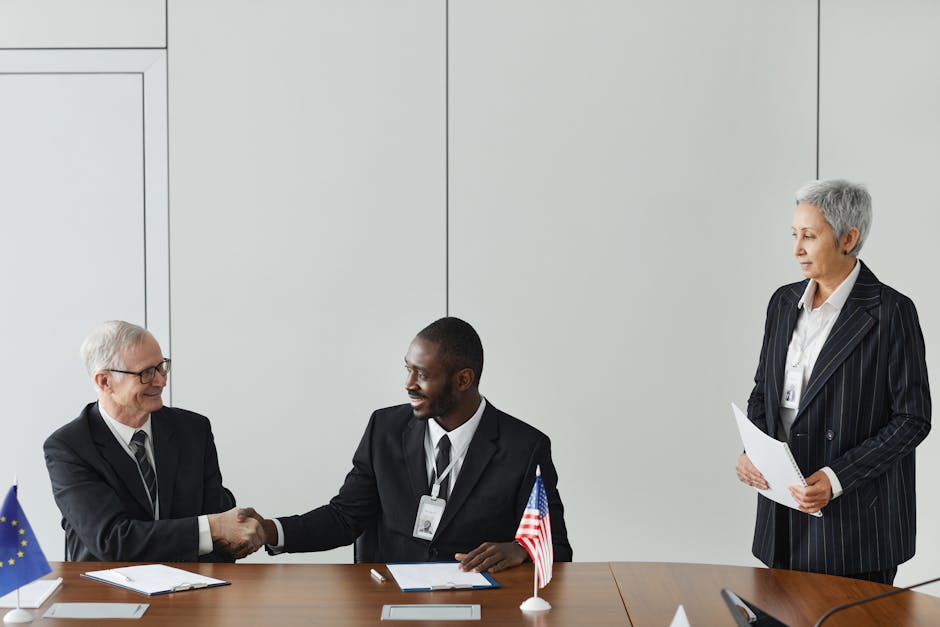
When old allies embrace, the world watches with knowing smiles
Remember those puzzle boxes from childhood? The ones where twisting the cylinder realigned colored glass shards into beautiful patterns? Modern geopolitics bears striking resemblance, except the glass shards have nuclear arsenals. The latest twist came when leaders from two seemingly incompatible spheres found their pattern: a bear hug between East and East.
Recent bilateral talks between major powers demonstrate that romance isn't dead in international relations, it's merely transactional. Against a backdrop of global sanctions and simmering conflicts, two leaders reaffirmed their special bond during an official visit. The host leader praised their visitor's foresight and leadership, invoking celestial metaphors about enduring friendship. Apparently, not even the gravitational pull of global condemnation can alter certain cosmic alliances.
This nostalgic reunion highlights a simple truth often obscured by think tank jargon: nations don't have friends, they have moods. The relationship between these particular countries spans generations, surviving tectonic shifts from Cold War realpolitik to today's fractured global order. Like pensioners reminiscing over school photographs, they revisit shared history while cautiously navigating present complications.
The agreements signed during this diplomatic encounter reveal multifaceted priorities beyond simple political theater. Discussions reportedly covered defense cooperation, trade frameworks, and energy security measures. These practical considerations often get lost amid grand statements about unbreakable bonds. Yet they reveal sober calculations about national interests in turbulent times. Energy diversification strategies and military procurement concerns have a way of concentrating political minds as effectively as any sanctions regime.
For the host nation, this relationship underscores a doctrine frequently articulated but rarely so vividly demonstrated: strategic autonomy. This diplomatic philosophy prioritizes flexible coalitions over rigid alliances, operationalized through careful balancing acts. The approach permits cooperation with competing power blocs simultaneously, maintaining dialogue at all coordinates. Its practitioners become geopolitical acrobats, twirling between political gravity wells without succumbing to any singular pull.
The geopolitical implications ripple outward like stones thrown in a synchronized fountain display. Observers note this bilateral embrace occurs amid strained relations between the host country and Washington. Recent trade disputes resulted in increased tariffs affecting billions in commerce. While economic factors partly drove these tensions, philosophical differences regarding global crises clearly contributed. Perception matters deeply in international relations. When certain handshakes linger longer than others, observers draw conclusions about shifting allegiances.
Domestic politics inevitably color these diplomatic overtures. Leaders face dual pressures: addressing citizens' economic needs while projecting national strength. Energy security remains paramount for developing economies, particularly when global energy markets experience severe dislocation. Military modernization programs likewise demand reliable partners. The calculus becomes profoundly local, despite its international theater performance.
Critics often decry such pragmatism as cynical. They'll highlight tensions between democratic values and transactional diplomacy. Yet historical context offers valuable perspective: unaligned nations have navigated superpower competitions before. The delicate dance of non alignment requires continuous adjustment, sometimes closer to one partner, sometimes another. Moral outrage makes satisfying theater but poor statecraft. Food security often trumps philosophical alignment when budgets get balanced.
The timing merits particular notice. This diplomatic reunion occurs nearly four years after the Ukraine invasion triggered extensive international sanctions. The visitor arrived despite an outstanding arrest warrant from the International Criminal Court, illustrating how selectively such instruments apply. Our era increasingly resembles medieval Europe's patchwork of fiefdoms rather than a rules based order: extradition treaties stop at the borders of powerful friends.
Economic realities form the foundation beneath these graceful political pavanes. Recent sanctions nearly derailed what had become a flourishing energy trade. At their peak, the host country reportedly purchased over thirty percent of its crude imports from its northern partner at preferential rates. Disrupting that flow forced difficult adjustments. Like separated lovers, the nations now test whether affection can overcome logistical complications.
The broader tableau reveals a changing diplomatic ecosystem. Traditional western alliances demonstrate surprising frailty, while alternative groupings like BRICS gain momentum. Emerging economies increasingly assert independent paths rather than accepting predetermined roles. Multipolarity isn't an academic concept, it's dinner table conversation from Brasília to Mumbai.
For the visiting leader, such receptions offer psychological and strategic reassurance. International isolation remains incomplete when almost half the world's population lives in countries that maintain dialogue. Moral censure stings less when key trading partners still welcome official visits complete with military honors. The pageantry dignifies positions other capitals decry. Leader portraits side by side on foreign billboards convey messages no UN speech can match.
The savvy observer discerns method beneath the pageantry. Neither leader operates carelessly despite outward displays of bonhomie. The host country maintains extensive security cooperation with western nations through forums like the Quad agreement. Multiple maneuvers seem contradictory, yet reveal sophisticated prioritization. Diplomacy resembles jazz improvisation: seeming spontaneity built upon practiced skill. Partners syncopate between partnerships without losing the rhythm.
Looking ahead, the dance will continue with fascinating variations. The host nation plays an increasingly pivotal role in both regional security frameworks and global economic architectures. Its demographic heft and geopolitical position guarantee involvement in shaping whatever order emerges from today's turbulence. Opinion columnists might prefer clearer villains and heroes, but history usually unfolds in morally ambiguous skylines.
Perhaps we should revisit those kaleidoscopes. The beauty lies precisely in the ever changing patterns. No configuration remains fixed when circumstances shift. Today's allies become tomorrow's competitors become next decade's partners. The craft lies in endless adjustment. Critics who demand absolute fidelity misunderstand international relations as marital vows rather than trade negotiations. Meanwhile, analysts note satellite photos suggesting new defense construction near disputed borders. But that's another twist of the cylinder.
Optical illusions abound in global politics. What appears cold calculation might mask painstaking care to avoid escalation. Fiery rhetoric sometimes signals weakness more than strength. Warm embraces may precede difficult negotiations. The wise statesman distinguishes turbulence from squalls, adapting accordingly. Only fanatics demand perfect consistency from sovereign states dealing with imperfect realities. Recent history confirms staring too long at compasses while steering causes shipwrecks. Better to navigate by actual North Stars than idealized ones.
 By George Oxley