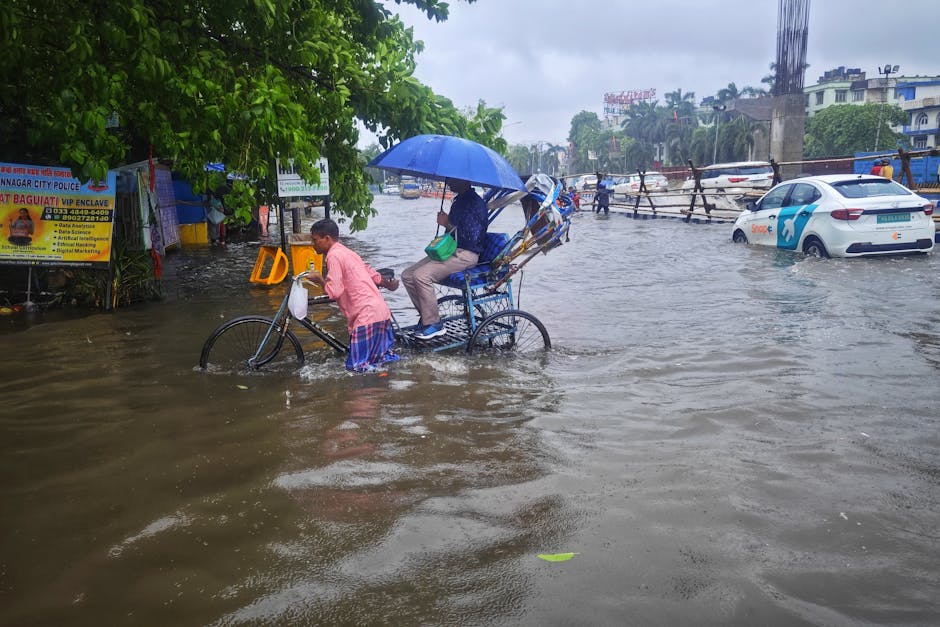
Routine rains hide a growing peril to Singapore's health and safety
Picture a crisp morning in Singapore. Commuters weave through bustling streets, schoolchildren chatter on their way to class, and vendors set up for the day. Then, without much warning, the sky opens up. Water surges across roads like Mountbatten and stretches in Bedok, trapping cars, soaking pedestrians, and sending everyone scrambling. This scene, all too common lately, is not just an inconvenience. It is a stark reminder of how climate shifts turn ordinary weather into a public health crisis.
For residents in these neighborhoods, the advisory to steer clear comes as both a relief and a frustration. One hour of avoidance sounds simple, yet it disrupts lives in profound ways. A parent might reroute a school run, arriving late and stressed. A delivery worker loses precious time and income. An elderly person, wary of slippery paths, stays home, missing a vital medical checkup. These moments add up, chipping away at daily well being.
Singapore boasts impressive flood management. The national water agency monitors rainfall closely, issuing timely alerts via social media. Drains get regular upgrades, and master plans aim to keep the city dry. Yet, recent events reveal cracks. Heavy bursts during the northeast monsoon, even with average total rain, overwhelm systems. Experts note climate change amplifies this. Warmer air holds more moisture, leading to intense downpours that no pipe network can fully handle.
This reality stirs unease. The same authority that assures water security admits limits. Not every surge can be tamed, they say, pointing to shifting weather patterns. It raises questions about balance. Rapid urban growth fills land with concrete, speeding runoff. High rise clusters and reclaimed areas strain old infrastructure. While economic progress thrives, vulnerability grows. Families in older estates bear the brunt, their homes inches from rising water.
Now consider the health toll, often overlooked amid traffic updates. Flash floods kill swiftly. Drowning claims lives yearly, especially drivers misjudging depths. Slips on wet surfaces send people to emergency rooms with fractures and concussions. In 2023 alone, hospital data showed spikes in such cases during wet spells. Vehicles hydroplane, causing pileups with whiplash and worse.
Beyond immediate harm, filth brews trouble. Stormwater carries sewage, chemicals, and debris from construction sites. Wading through it invites infections. Leptospirosis, spread by rat urine in puddles, brings fever, organ failure. Gastrointestinal bugs thrive in swallowed filth, hitting children hard. Clinics report surges post flood, straining resources already stretched by dengue seasons.
Mental scars linger longest. Repeated scares breed anxiety. A mother in Bedok shares how her young son panics at thunder now, haunted by a flooded playground. Communities feel isolated, trust in systems erodes. Healthcare workers note rising stress related visits. Sleepless nights, elevated blood pressure, even depression tie back to these disruptions. For shift workers or those with chronic illness, a flooded route means missed meds or therapies.
Vulnerable groups suffer most. Seniors, over 20 percent of Singapore's population, move slower, heightening fall risks. Low income families in flood prone zones lack escape options, no cars to detour. Migrant workers, crammed in dorms near industrial lowlands, face repeated exposure. Children miss school, stunting emotional growth. These inequities demand attention. Health is not just absence of disease. It is security in one's neighborhood.
History echoes warnings. In the 1960s, floods ravaged kampungs, prompting massive drainage pushes. Today, similar resolve falters against new foes. Monsoon patterns shift, wetter bursts replace steady drizzles. Global models predict worsening. Singapore, small and dense, feels it acutely. Neighbors like Malaysia see mega floods, but urban design here magnifies local threats.
Critics spot shortfalls. Billions pour into housing, yet green buffers lag. Permeable pavements, rain gardens, elevated walkways exist in pilots, but scale lags. Policies favor density over sponge city models thriving in China or Europe. Health integration misses too. Flood plans focus engineering, sidelining epidemiology or psychology. Imagine teams tracking post flood illness clusters or counseling hotlines spiking with alerts.
Real lives illuminate urgency. Take a nurse from Mountbatten, late for her shift during a recent downpour. She wades waist deep, ruining shoes, catching a chill that turns to bronchitis. Her patients wait longer. Or the father in Bedok, carrying his disabled child to safety, straining his back for weeks. Such tales, shared in community chats, fuel quiet anger. People want more than apps beeping warnings. They seek roots fixed.
Hope glimmers in innovation. PUB tests smart sensors predicting surges minutes ahead. Community drills build readiness. Schools teach flood smarts alongside math. Health agencies could lead, modeling resilient neighborhoods. Picture estates with bioswales absorbing rain, clinics stocked for outbreaks, apps linking mental support. Economic sense follows. Downtime from floods costs millions in lost productivity, medical bills.
Government steps up, but pace matters. Recent budgets boost drainage, nod climate adaptation. Push further. Mandate health impact assessments for developments. Subsidize home retrofits for at risk homes. Partner with insurers for flood health coverage. Empower residents via neighborhood watches spotting drain clogs early.
Reflect on this. Singapore's miracle rests on foresight. From water recycling to pandemic control, bold moves define it. Floods test that spirit. They threaten not just roads, but the human fabric. A child splashing carefree post rain should evoke joy, not dread. By weaving health into every plan, leaders honor that promise.
Recent advisories, like those for specific roads during morning rains, signal vigilance. Yet one hour reroutes pale against systemic builds. Monsoon forecasts predict afternoon thundershowers through mid December, near normal totals masking fierce peaks. Preparation now averts tragedy later.
Communities rally too. Bedok residents form watch groups, clearing ditches pre rain. Mountbatten businesses share pumps. This grit inspires. Amplify it with policy muscle. Health workers stand ready, urging vaccines against waterborne ills, safety kits in homes.
The journey ahead demands unity. Scientists refine models, engineers rethink concrete, doctors brace clinics, families adapt routines. Together, transform threat to strength. Singapore, ever resilient, can lead. Turn flood fears into fortified futures, where rain nourishes, not endangers.
In quiet moments post storm, puddles reflect cleared skies. So too can society emerge stronger. Prioritize health amid waters. Lives depend on it.
 By Helen Parker