Science engineered hope for desperate leukemia patients. But the victory dance needs better choreography.
Let’s talk about miracles. Specifically, the kind involving white lab coats, gene editing gizmos, and a generous sprinkle of media hyperbole. This week’s scientific darling is a ready made T cell therapy that reportedly drove incurable leukemia into remission. Headlines are doing that thing headlines do, using phrases like 'extraordinary achievement' and 'reversed incurable cancer.' My medical colleagues deserve the standing ovation. But grab a coffee, friends, because the devil’s in the oncologist’s details.
The therapy itself is objectively brilliant. Picture this. You’ve got a child with T cell leukemia. She’s relapsed after chemo. Bone marrow transplants? Failed. The calendar is empty of options. Then researchers show up with donor T cells that have been gene edited to avoid friendly fire (because yes, immune cells attack each other like overcaffeinated toddlers) and reprogrammed to hunt leukemia. They infuse these microscopic assassins, and boom. Deep remission. Undetectable disease. That’s not just cool. That’s 'rewriting the rules of oncology' cool.
But here’s where the media narrative hits a pothole. This isn’t a magic wand. It’s a bridge. A very expensive, scientifically dazzling bridge made of hope and CRISPR technology, but a bridge nonetheless. These engineered T cells aren’t permanent residents. They’re temporary squatters evicting cancer so patients can get a stem cell transplant, the only shot at long term survival. Nobody’s cruising into sunset filled remission on T cells alone. The real hero here is the tandem strategy: scorched earth immunotherapy followed by transplant. It’s like using a flamethrower to clear weeds before replanting a garden.
And can we pause to appreciate the absurdity of medical jargon? 'Off the shelf therapy' sounds like it belongs next to microwavable dinners at Costco. But in this context, it means pre made donor cells that skip the weeks long process of harvesting and customizing a patient’s own cells. For kids whose cancer moves faster than TikTok trends, speed matters. Still, let’s not pretend accessibility is here. These therapies require cathedral level science temples like Great Ormond Street and elite academic hospitals. If your zip code lacks a gene editing lab, prayers and GoFundMes remain frontline treatments.
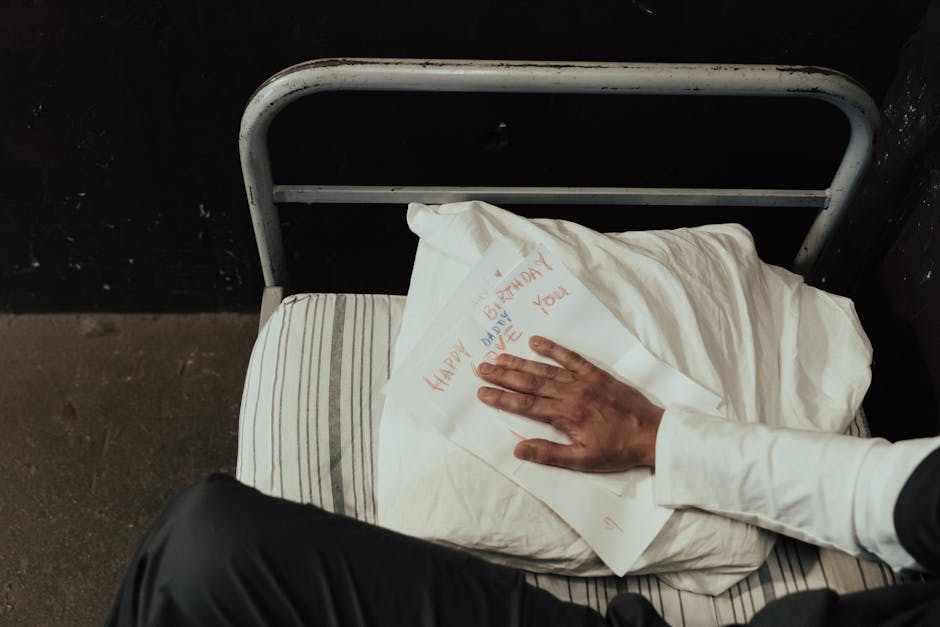
The human impact, though. Oh, that part’s pure lightning. Imagine being handed a consent form that says, 'We’ve got nothing left. Want to try science fiction?' For the lucky responders, this treatment turns hospice conversations into birthday party planning. But let’s not misunderstand the math. Early studies involved 11 patients. Some achieved remission. Some didn’t. This is the messy, uneven reality of cutting edge medicine. Victory isn’t a straight line. It’s a scribble.
Now, let’s address the media’s selective hearing. Every cancer breakthrough story inevitably forgets three crucial words: 'in mouse models.' Not this time. These were humans. Sick children and adults with exhausted options. But the coverage glossed over nuance like a politician dodging taxes. 'Reversing incurable cancer' sells ads. 'We bought six months for a transplant attempt' does not. This creates two tragedies. First, desperate patients emailing their oncologists demanding miracle T cells that aren’t on any menu yet. Second, the inevitable public backlash when 'groundbreaking' therapies don’t deliver instant utopia. Science isn’t failing. Storytelling is.
There’s also poetic injustice in which diseases get flashy cures. Leukemia, especially pediatric, tugs heartstrings and opens wallets. But what about T cell lymphoma patients reading these headlines? Or adults with metastatic solid tumors wondering why their cancers don’t get the cool toys? Medicine advances unevenly, like wifi signals in a stone castle. We celebrate the hotspots, but the dead zones ache.
And let’s talk money. Not yours or mine, obviously. We’ll be paying via GoFundMe campaigns while wearing 'Fight Cancer' wristbands. No, I mean Big Pharma money. The companies behind these therapies are already prepping investor decks touting 'curative potential.' But here’s the punchline. Many patients in these trials couldn’t afford the actual cure: the stem cell transplant after the T cell therapy. Immunotherapy might cost half a million dollars. Transplants run another million with complications. So we’ve engineered a world where science can defeat cancer, but only your bank account decides if you get to stay defeated.
Still, cynicism aside, there’s glory here. The researchers used gene editing to make donor cells invisible to host immune systems while keeping their cancer killing mojo. That’s like teaching ninjas to become invisible but only to enemy guards. The implications stretch beyond leukemia to other cancers, autoimmune diseases, maybe even organ transplants. But today, in this story, it’s about families who got more photos, more holidays, more tiny victories.
The real lesson isn’t about one therapy. It’s about rethinking how we frame progress. Biomedical advances aren’t fireworks. They’mosaic tiles. Each one small, painstakingly placed, contributing to a larger picture no single study can reveal. When we hype every tile as the entire ceiling of the Sistine Chapel, we breed disillusionment. Science journalists, I beg you. Stop with the 'game changer' headlines. Start explaining the game.
To the families in these trials, this research is everything. Time. Hope. A counterpunch when fate had them cornered. Their stories deserve more than clickbait. They deserve honesty wrapped in wonder. Yes, this therapy is extraordinary. But cancer is a shapeshifter. Today’s breakthrough is tomorrow’s resistance mechanism. That doesn’t diminish the win. It contextualizes it.
So where does that leave us? Grateful for brilliant minds. Furious at systemic barriers to care. Cautiously optimistic. And maybe, just maybe, a little less likely to share sensationalized cure-of-the-week articles without reading past the headline. Progress is a relay race, not a sprint. Today’s baton pass deserves applause. But save some breath. The race is long.
 By George Thompson