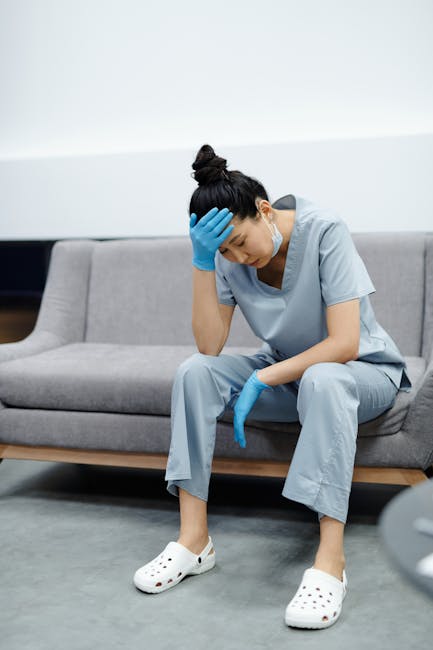
A shocking health revelation exposes the brutal machinery behind polished K-pop performances.
The polished perfection of K-pop stages hides cracks forming beneath the glitter. Recent medical disclosures about a prominent idol reveal a body pushed beyond reasonable limits, biological markers screaming what smiling choreography masks. This isn't just about one artist. It's a flare signaling systemic collapse.
Imagine learning your twenty something body functions like it's middle aged. For millions of fans, this became horrifyingly real when a beloved performer's health evaluation showed physiological metrics aligning with people twenty years his senior. Cellular fatigue from grueling training, constant dieting, and relentless schedules accumulated into premature aging. The diagnosis carries weight beyond medical charts. It's an indictment of an entire ecosystem that treats human beings as renewable entertainment products rather than flesh and blood.
Throughout South Korea's entertainment sector, stories circulate about trainees practicing until their shoes fill with blood. Veterans whisper about inevitable IV drips before concerts when dehydration threatens collapse. A former choreographer once described timing water breaks during rehearsals like rationing survival supplies, all while executives remind artists how replaceable they are should fatigue win. When parents sign children as young as twelve into trainee programs, they unknowingly enter contracts mortgaging long term health for fleeting fame.
The artist at the center of this storm belongs to multiple overlapping groups under one label, a common corporate strategy to maximize profitability from successful talents. His schedule rotates through recording sessions, global tours, variety appearances, and brand endorsements with barely a pause for proper meals, let alone recovery. While fans buy albums supporting each permutation, they rarely see the human toll of these carefully engineered projects. Staff from other companies casually reference sleep deprived performers memorizing lyrics in ambulance rides between events, their resilience worn as badges of honor rather than red flags.
K-pop isn't alone in exploiting youthful vigor. Behind major entertainment hubs, similar patterns emerge. Silicon Valley glorifies all night coding sessions. Pro sports push injured athletes to play through pain. Yet none match the scale of industrial optimization applied to Korean idols, where standardized training systems produce interchangeable talents groomed since puberty. It raises uncomfortable questions. Why do we accept such treatment of performers whose joy supposedly fuels our leisure ? How much of their suffering is hidden beneath expert makeup and strategically scripted reality content ?
Interestingly, fan reactions reveal cultural divides. Western audiences demand immediate intervention through petitions and social media campaigns. Older Korean supporters express concern but emphasize perseverance, reflecting broader societal attitudes toward endurance in professional life. Both responses share underlying guilt, recognizing collective complicity in demanding constant content while decrying its consequences. Every streamed video, purchased concert ticket, and trending hashtag fuels machinery dependent on human sacrifice.
Industry apologists argue stars choose this path, that their contracts protect them. This ignores coercive elements surrounding young talents with limited life experience. When a sixteen year old signs exclusive deals spanning seven plus years, can we truly consider it informed consent ? Legal experts note loopholes allowing agencies to claim grouped activities fall outside original agreements, enabling countless additions to workloads without renegotiation. Some contracts even include clauses requiring artists to repay training costs if they leave early, functionally indenturing them to unsustainable conditions.
Mental health remains another casualty rarely addressed. Former idols describe depressive episodes triggered by whiplash transitions between international adoration and empty hotel rooms. Substance abuse occasionally surfaces in hushed industry conversations, self medication for unbearable pressure. The cheerful personas marketed to global audiences become psychological prisons, punishing those unable to maintain impossible standards of perpetual enthusiasm.
Compassion shouldn't ignore fan contributions to this cycle. The hunger for new music videos, behind the scenes content, and constant social updates pressures companies into relentless output. Streaming goals and chart records make artistry secondary to metrics. Supporters organize sleep deprivation campaigns to boost views, ironically mirroring the exhaustion imposed on idols. Breaking this codependency requires acknowledging fandom's role beyond corporate critique. Loving artists means valuing their humanity over entertainment they provide.
Solutions exist but necessitate industry wide commitment. Staggered tour schedules, enforced vacation periods, and independent medical oversight could start reversing damage. Labels might rotate subsidiary group activities to ensure adequate rest between projects. Mental health professionals should join teams handling international promotions, normalizing psychological care alongside vocal coaching. These measures require sacrificing some profits, but what good is revenue built upon broken bodies ?
This revelation offers a watershed moment. It lays bare realities fans suspected but agencies continually dismissed. When doctors warn a twenty four year old will likely face digestive failure within a decade, pretense collapses under medical authority. Supporters now wield diagnostic terminology alongside protest hashtags, merging fan advocacy with public health discourse. Their fervor could become the catalyst for meaningful change.
Watching favorites persevere through visible pain once seemed admirable. Now, each performance carries haunting questions. Is that genuine smile or trained reflex ? Does enthusiastic interaction mask dizziness from another missed meal ? Accountability lies equally with corporations engineering these conditions and audiences consuming their products without critical examination. Real appreciation begins when wellbeing matters more than any comeback schedule.
Historically, entertainment industries evolve only when public outrage outweighs financial incentives. For Korean pop music, that tipping point might arrive as fans unite behind a simple truth. No choreography, however flawless, justifies stealing someone's future health. The greatest hits lose their meaning if artists don't survive to perform them decades later. Talent deserves protection, not exploitation. Until that balance shifts, every thunderous applause echoes with complicity.
 By Vanessa Lim