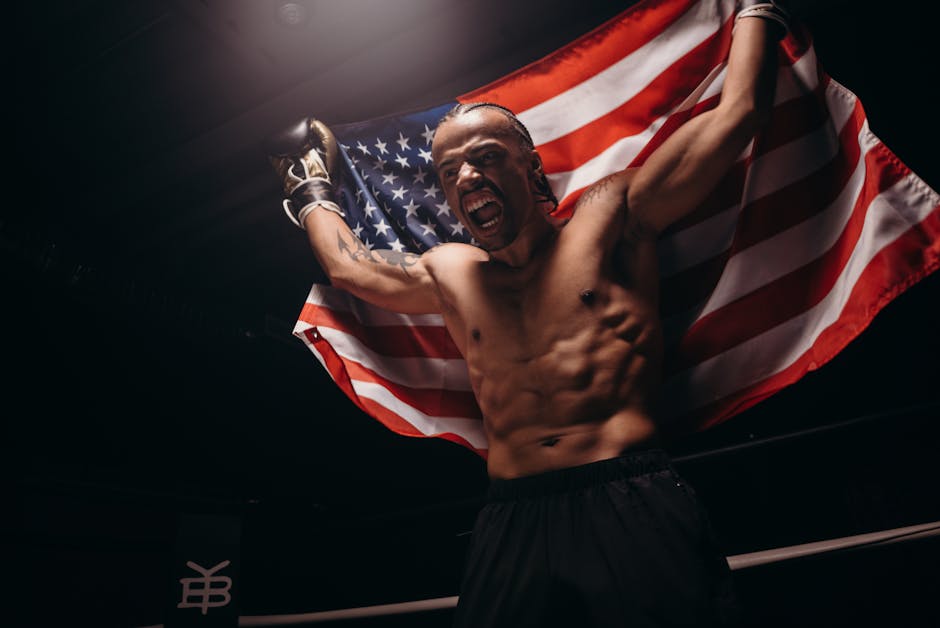
A boxer's return becomes a masterclass in controlled resurrection
The blood speckled across Tim Tszyu's gloves as he raised them in victory told only part of the story. The rest lived in the spaces between punches, in the deliberate footwork that carved geometry around his opponent, in the calm eyes that tracked Anthony Velazquez like a meteorologist reading storm patterns. This was not the thrashing of angry vengeance many expected, but something far more dangerous, a surgical dismantling.
For twelve rounds under Sydney's unforgiving arena lights, Tszyu moved like a man who'd studied every shadow of his previous defeat. Gone was the fighter who once traded defense for bravado, replaced instead by someone who understood that true control lives in restraint. Each jab a question mark probing Velazquez's defenses, each body shot a slow erosion of will, the cumulative effect not merely winning rounds but rebuilding a narrative.
We often speak of comebacks in combat sports as if they're explosive events rising from ashes. A knockout artist returning to deliver highlight reel punishment, perhaps. But Tszyu offered something quieter, more profound, a resurrection built not on fireworks but on meticulous recalibration. When asked afterward about the moments he could have finished the fight early, he shrugged with the composure of someone who understood the deeper game at play. "I wanted to feel comfortable," he said, four simple words that carried the weight of a fighter reconstructing his identity.
There's sacred alchemy in a boxer adjusting their nature when the world demands they remain unchanged. We fetishize fighters as fixed archetypes, the slugger or the tactician, and grow uneasy when they defy these cages. Tszyu's evolution challenges our addiction to familiar narratives. Last year's critique from Shawn Porter about "arrogant body language" now seems less like a scouting report and more like an epitaph for the fighter Tszyu needed to bury to become who he is today.
The desolation after his loss to Bakhram Murtazaliev could have fossilized him. Australian sports fans remember the footage, Tszyu sitting on the ring apron, gloves still laced, staring at some fixed point beyond the arena lights. That image haunted local pubs and gym conversations for months. It's easy to forget how many fighters never escape that singular moment, how defeat can calcify into permanent resignation. What Tszyu demonstrated against Velazquez was the rare ability to treat loss not as a tombstone but as blueprints.
His opponent deserves more than footnote status. Velazquez arrived unbeaten, a fighter accustomed to dictating terms now reduced to enduring a violent education. There's particular cruelty in boxing's exposure of undefeated records, the way they shatter when confronted with someone who's already tasted fracture. Velazquez's tentative posture by the fourth round, the way his eyes flicked toward the referee during Tszyu's combinations, spoke of a man realizing his first loss was less an event than an initiation.
Some will argue that the real test awaits against higher caliber opposition, names like Ennis or Ortiz. But Tszyu's strategic patience suggests a longer horizon. Boxing history brims with fighters who rushed toward validation after setbacks, trading future potential for immediate catharsis. The discipline to delay gratification, to treat a hometown showcase against a credible but not elite challenger as a laboratory for refinement, demonstrates mature confidence rarely seen in fighters clawing back relevance.
This evolution matters beyond Tszyu's career trajectory. For younger Australian boxers like Goodman and Paro, watching from commentary booths or locker rooms, Tszyu's approach provides an alternative blueprint to the blood and thunder mythology that dominates fight promotion. His performance whispered a crucial truth, that sometimes, the most violent act in boxing is refusing to succumb to old instincts.
Consider the cultural resonance in Sydney's arena during those championship rounds. Australian fight fans have always lionized warriors over technicians, celebrated the Horns and Greenes for their indomitable spirits, often over more skilled opponents. Tszyu's calculated dominance might signal shifting appetites, an audience learning to appreciate the nuance behind controlled aggression.
Rumbles about fighting Tony Harrison next feel poetically cyclical. Their first meeting featured Tszyu as the young lion taking the veteran's scalp. A rematch would position him as something else entirely, a technician armed with hard earned wisdom. This progression matters because boxing seldom grants second acts to fighters who change their core identity after setbacks.
Perhaps what resonates most about Tszyu's current journey is its quiet defiance of boxing's addiction to instant myth making. In a sport obsessed with STATEMENTS delivered via uppercuts, Tszyu's most defining moment against Velazquez came not from his fists but his restraint. Choosing to extend the fight, to sculpt his return with meticulous patience, required more courage than swinging for a knockout.
The true measure of this victory won't be seen on rankings updates, but in gyms nationwide where young fighters internalize Tszyu's lesson, that rebuilding sometimes requires discarding even the parts of yourself that once felt sacred. This wasn't just a comeback. It was a masterclass in controlled resurrection.
 By Oliver Grant