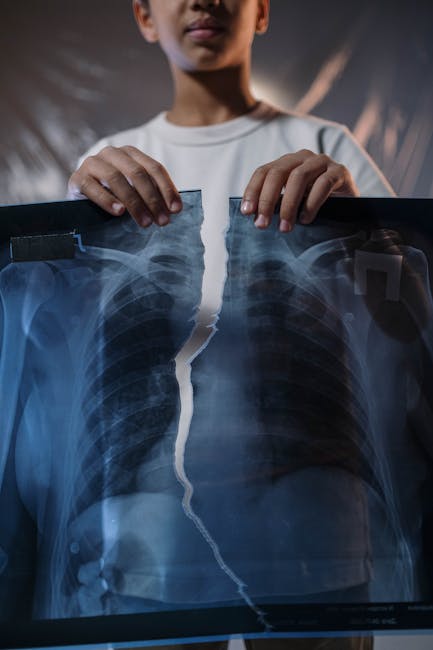
The microscopic squatters in your lungs just volunteered for pneumonia crowd control.
Medical science spent centuries assuming lungs were pristine sanctuaries. Germs only crashed the party during illnesses like pneumonia. Recent discoveries evicted that outdated notion. It turns out human lungs resemble busy metropolitan areas, complete with diverse microbial residents commuting, reproducing, and occasionally rioting. Now researchers report these microscopic urban planners dictate whether pneumonia becomes a minor nuisance or a life threatening catastrophe.
Northwestern University scientists tracked lung microbiomes in hundreds of critically ill pneumonia patients. Think of it like ecological fieldwork inside intensive care units. Their portable microscopes revealed four distinct microbial neighborhoods. The best recovery odds belonged to tenants whose lung microbes resembled mouth bacteria. Those with skin like bacterial communities had neutral outcomes. The unluckiest patients hosted Staphylococcus aureus dominated slums where antibiotic treatments achieved little beyond rearranging deck chairs.
This discovery explains pneumonia's maddening unpredictability. Despite identical symptoms and textbook perfect treatments, outcomes vary wildly. One patient walks out in a week, another develops sepsis. The culprit appears to be microbial real estate dynamics. Lungs accustomed to mouth microbes react calmly to invaders. They know the neighborhood watch program works. Foreign microbial squatters trigger panic evictions that damage the property.
Medical textbooks still treat pneumonia as a singular villain. Reality paints it as hundreds of microbial burglars exploiting local corruption. Doctors battle them using antibiotics selected via 19th century bacterial culturing techniques. It resembles fighting modern hackers with telegraph codes. This study suggests future treatments might combine pathogen killing with microbiome diplomacy. Restore the native microbial government instead of carpet bombing everything.
The research carries urgent practical implications. Pneumonia emergency room visits exceed 1 million annually in America. It kills tens of thousands despite modern medicine's arsenal. Current diagnostics can rarely pinpoint bacterial versus viral causes. Hospitals often deploy broad spectrum antibiotics like indiscriminate artillery. This carpet bombing approach leaves survivors vulnerable to Clostridium difficile infections and antibiotic resistant superbugs.
Microbiome analysis offers escape from this bleak cycle. Simple nasal swabs could categorize patients into pneumotypes during triage. Oral microbiome dominated cases might need minimal intervention. Staphylococcus dominated patients could receive precision targeted therapies immediately rather than after days of ineffective treatment. Such systems already exist for cancer treatment stratification. Adapting them for pneumonia proves simpler than expected.
Skeptics might dismiss this as academic curiosity. They argue treating infections matters more than cataloging microscopic squatters. This overlooks consistent failures in pneumonia management. Mortality rates remain stubbornly high despite decades of antibiotic development. The same drugs produce radically different outcomes in identical cases. Microbial ecosystems clearly mediate these effects whether skeptics approve or not.
Practical applications could emerge rapidly. Unlike neurological or genetic research, microbiome diagnostics require no new technology. Existing sequencing platforms handle the workload. Hospitals already stock nasal swabs and testing reagents. Regulatory approvals would proceed faster than novel drug evaluations. The bottleneck involves physician education and workflow integration, not scientific barriers.
Financial implications also demand attention. Failed pneumonia treatments generate astronomical hospital costs. Patients languish for weeks in ICUs accumulating six figure bills. Microbial diagnostics could slash these expenses through rapid risk stratification. Insurers might soon mandate such testing like they enforce preauthorization for MRI scans.
Ethical dilemmas inevitably follow. Should insurers charge higher premiums for high risk pneumotypes. Could employers screen job applicants microbial profiles. Will dating apps incorporate microbiome compatibility scores. Such questions sound absurd today but loom as logical extensions of this technology. Society barely regulates genetic data privacy. Microbial surveillance might slide through existing loopholes.
Microbial therapies face fewer ethical quandaries. Probiotic lung treatments sound like science fiction but move closer to reality. Imagine inhaling beneficial bacteria that crowd out deadly pathogens. Farmers already use similar tactics protecting crops from blight. Medical equivalents would revolutionize infection control without exacerbating antibiotic resistance.
The Northwestern team emphasizes prudent optimism. Their research illuminates patterns rather than delivering immediate cures. Years of clinical trials must confirm whether microbiome manipulation benefits patients. Still, it reverses decades of flawed assumptions. Lungs are not sterile bubbles but complex ecosystems. Recognizing that reality marks progress even before new treatments arrive.
Medicine often resembles explorers using candlelight in vast caverns. Each flicker reveals fragments while emphasizing surrounding darkness. Lung microbiome research just illuminated an entire chamber. The shadows retreating contain countless pneumonia deaths waiting to be prevented. That warrants celebration even from hardened skeptics, though they might prefer to clink sterilized glasses.
 By Tracey Curl