Stars mourn under spotlights while we debate their tears
When Singapore's beloved Ah Jie Zoe Tay posted those tender words about her mother's passing last week, I found myself tearing up at my kitchen counter, phone in one hand and coffee gone cold in the other. The rawness of her tribute that quiet love letter to a woman who apparently never spoke the words I love you but baked them into daily existence struck something universal. Yet within hours, her Instagram Stories transformed into something else entirely. A parade of floral tributes from Mediacorp colleagues, luxury brands, and industry titans turned a daughter's grief into a public spectacle. This is how modern celebrity mourning works now, a carefully stage managed dance between private heartbreak and public performance that leaves us all uncomfortably complicit.
Let's start with what moved me profoundly. Tay's description of her mother's quiet love language the unspoken gestures, the daily devotion speaks volumes about generational differences in emotional expression. My own grandmother, may she rest in peace, would sooner wrestle a durian bare handed than say I love you aloud. Yet she showed it through steaming bowls of bak kut teh, through hand sewn cheongsams for special occasions, through that particular Singaporean knack for loving criticism about why you're still single or why you're not eating enough. That Tay captured this cultural specificity so beautifully makes her mourning resonate far beyond celebrity gossip columns. It connects with anyone who's loved and lost in Asian households where actions always speak louder than words.
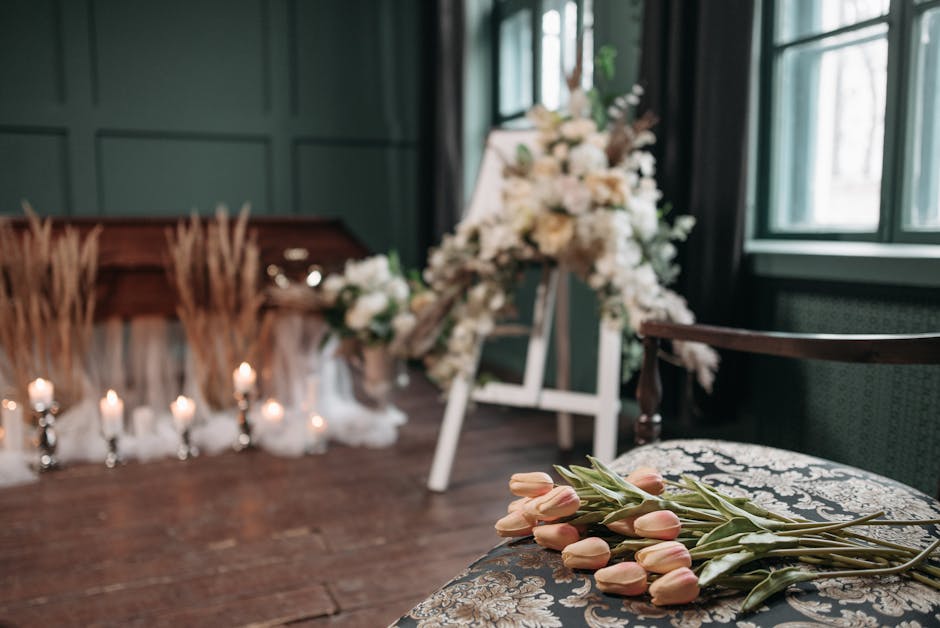
But then the machine kicks in. Within hours, her feed filled with images of extravagant wreaths from Louis Vuitton, Mediacorp, and famous peers like Mark Lee. There's an unspoken hierarchy to these floral displays, isn't there? Who sends the biggest arrangements, whose names appear prominently, which brands need to be seen paying respects. Remember when Jacqueline Wong made headlines for conspicuous absence from co star Ali Lee's father's funeral during her cheating scandal? The florist industry literally has pricing tiers for celebrity funeral wreaths, with some high end arrangements costing more than my monthly mortgage. What looks like collective mourning becomes another form of social currency in entertainment circles.
Here's where it gets complicated. As fans, we demand authenticity from celebrities, particularly regarding emotional moments. We mock stars who post perfectly filtered crying selfies as grief bait. Yet when someone like Tay shares something genuinely raw, we dissect it, share it, and turn it into content. I'm haunted by the memory of trying to write a heartfelt caption when my grandfather passed last year. Twenty minutes into drafting, I realized I was unconsciously calculating which anecdotes would resonate most with followers. The shame of that realization alone should earn me ten Hail Marys and a lifetime of bad WiFi connections.
Celebrity grief now follows a predictable social media arc. First comes the emotional eulogy post, carefully composed yet presented as spontaneous overflow. Then the funeral coverage, showcasing industry connections through wreath displays and VIP attendance. Finally, the eventually resurrected media interviews where stars discuss their transformed outlooks. It reminds me of how Hollywood publicists used to plant cemetery photos in tabloids back in the studio era, except now celebrities control the narrative themselves. Singapore's entertainment industry especially Mediacorp talents walk this tightrope constantly, expected to share enough personal detail to stay relatable while keeping true vulnerability guarded.
Consider the timing of Tay's post, coinciding with quiet whispers about her supposedly strained industry relationships after departing from Mediacorp management years ago. Those lavish wreaths from former colleagues aren't just condolences, they're diplomatic overtures in flower form. Remember when Fann Wong and Christopher Lee neglected to send condolences to a veteran actor's funeral years back? The whispers lasted longer than the mourning period. Every floral arrangement carries unspoken messages about alliances and respect in Singapore's tight knit showbiz circles.
There's another cultural layer at play here. Traditional Asian grieving customs often emphasize dignified restraint, yet social media demands performative emotionality. Tay's description of her mother maintaining quiet devotion through daily acts aligns with Confucian values of action over words. Yet she expresses her grief through modern Western influenced emotional vocabulary about longing that swells daily. This cultural juxtaposition creates fascinating tension. Older generations might view public mourning posts as distasteful oversharing, while younger fans expect unfiltered access to their idols' pain.
The brand participation particularly fascinates me. Why does Louis Vuitton need us to know they sent condolences? Same reason luxury watches appear in funeral scenes of Asian dramas product placement knows no mortal bounds. It's the logical extension of celebrity culture, where even death becomes another touchpoint for visibility. I half expect funeral livestreams to become sponsored events soon. This respectfully brought to you by Tiger Balm, for soothing the headaches of grief.
Amidst all this cynicism, let's not lose sight of the human element. Tay's June birthday tribute to her mother featuring that gorgeous three tiered cake reveals years of quiet documentation. Many of us digitally capture our elders knowing these might become final memories. My camera roll overflows with mundane videos of my grandmother peeling oranges a private archive of ordinary love. Tay's posts reflect that universal impulse to preserve fading light, made complicated by her public platform.
Here's what I wish we could collectively acknowledge. Public figures deserve to grieve messily, privately, or visibly on their own terms. Our roles should be quiet witnesses, not demanders of emotional performances. Next time your favorite celebrity posts about loss, resist the urge to screenshot, analyze, or compare their grief to others'. Instead, maybe call your own mother. Not text. Call. Tell her you love her in whatever language feels true, words or otherwise.
As Tay's Instagram eventually returns to regular programming work updates, family moments, sponsored posts we'll file her mourning under Entertainment News and move on. But perhaps her mother's greatest legacy shines through in Tay's description of quiet, persistent devotion. Not in grand floral displays or viral posts, but in teaching her daughter to treat the world gently. In our harsh digital age, that may be the most revolutionary act of all.
 By Rachel Goh