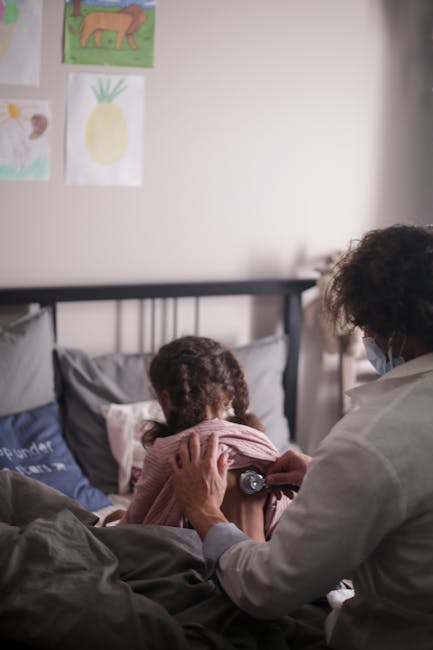
Youthful invincibility meets brutal biology in one woman's brain rebellion.
Let me tell you about the most dangerous thought your brain can manufacture. It’s not ‘One more espresso won’t hurt’ or ‘TikTok says celery juice cures existential dread.’ No, the nuclear option of self delusion is this little grenade: This cannot happen to me.
Our protagonist today, let’s call her Warrior Accountant because crunching numbers was her day job until her cerebellum decided to crunch itself, embodied this mantra beautifully. Migraine? Probably. Stroke at 37? Don’t be dramatic. Until eight hours later when her brain staged the ultimate workplace protest, complete with hemorrhagic special effects.
Now, before you assume this is another finger wagging lecture featuring kale and step counts, let’s unpack why this story deserves more than sympathetic clucking. We’re witnessing a perfect storm of medical complacency, systemic blind spots, and the dirty secret that your 30s are basically a medically unsupervised fraternity rush week.
Warrior Accountant spent five days in a coma we’ll generously call an unplanned meditation retreat. She awoke to discover her body had rebooted to factory settings. Walking required tutorials. Speech arrived in staccato fragments. Her once reliable eyes now served impressionist paintings instead of clear visuals. The scariest part? Her medical chart probably read ‘young for stroke’ as if 37 was still swaddled in diapers.
Here’s where we pause for the mandatory public service announcement. Yes, check your blood pressure. No, headaches aren’t always dehydration. But let’s not pretend this is just about individual responsibility when the entire healthcare narrative treats under 40s like indestructible action figures.
Consider our warrior’s environment. Prevention campaigns target silver haired citizens with cholesterol charts. Workplace wellness programs peddle ergonomic chairs while ignoring apocalyptic stress cultures. And let’s not even start on how ‘woman health’ often gets reduced to pastel pamphlets about cycles and squeezing out offspring. Where’s the aggressive outreach for women’s cardiovascular risks? Probably buried under menopause pamphlets printed in 1987.
Two years of rehabilitation later, Warrior Accountant can walk, talk, and function through permanently blurred vision. Her fiancé became an accidental Florence Nightingale, swapping romantic dinners for physical therapy appointments. This brings us to healthcare’s other open secret: Recovery isn’t a solo sport. It’s a full contact team event where loved ones become unpaid medical aides.
Imagine the economic ripple effects. Hospital bills yes, but also careers paused, relationships strained, mental health stretched thinner than yoga pants on a sumo wrestler. Our warrior describes rebuilding her life ‘from zero,’ a phrase usually reserved for amnesiac spies in action movies, not tax professionals with hypertension.
Which circles us back to the original sin of healthcare communication. We position strokes as geriatric boogeymen rather than potential party crashers for millennials. Hypertension screenings happen at physicals scheduled approximately never. And young women? Double jeopardy of being dismissed as ‘too stressed’ rather than actually sick.
The bitter irony? Warrior Accountant’s survival depended on rapid emergency care, the kind our overworked medical heroes deliver daily. Yet that same system failed to intercept her earlier. It’s like applauding fire crews for saving a burning building while ignoring the smoking electrical panel for a decade.
So where’s the punchline in this neurological melodrama? Perhaps in the cosmic joke that humans pour more research into phone battery life than body maintenance. Maybe in the workplace culture that rewards answering emails at 2 am but shames leaving for a blood pressure check. Or possibly in how ‘self care’ got reduced to scented candles instead of preventative medicine.
This isn’t about fearmongering. It’s about rebooting our collective consciousness. Your body isn’t a subscription service with endless free trials. Stroke at 37 shouldn’t be a shocking plot twist but a preventable scenario. And ‘this can’t happen to me’ is the most expensive lie your brain will ever tell.
As Warrior Accountant relearned basic human functions, her greatest superpower wasn’t medical science. It was stubbornness wrapped in family support. The real treatment protocol included equal parts physical therapy and being loved through rage filled rehabilitation sessions.
Perhaps the ultimate lesson hiding in her scrambled neurons is this: Health isn’t an individual achievement. It’s a community project with neurological stakes. Your invincibility cloak has expiration dates. And migraines occasionally come with plot twists worthy of Kafka.
So check your blood pressure. Pester doctors until they take your symptoms seriously. And remember that healthcare systems love reminding elders about cholesterol but might need reminding that millennials have arteries too. Now if you’ll excuse me, I need to Google local hypertension screenings while resisting the urge to down another espresso. Old habits die harder than brain cells.
 By George Thompson