When empowerment anthems clash with backstage realities
The pop music landscape changed fundamentally when Lizzo burst onto the scene, bringing unapologetic body positivity to mainstream audiences. Her hits like Truth Hurts and Good As Hell became personal mantras for millions who felt marginalized by traditional beauty standards. Yet today, the artist born Melissa Viviane Jefferson finds herself embroiled in a legal battle that challenges the very ethos she popularized.
Recent court developments saw a Los Angeles judge dismiss claims that Lizzo fat shamed former dancers during her Special Tour. For an artist whose cultural impact stems from celebrating bodies across the size spectrum, these particular allegations struck at her professional identity, particularly as 18 witnesses provided sworn testimony against the accusers. Yet this partial victory represents just one movement in a larger symphony of legal disputes. Three dancers continue pursuing sexual harassment allegations that have far reaching implications beyond any single performer.
These remaining accusations, which involve coercive behavior during international tours, surface troubling questions about the gap between artistic messaging and workplace conduct. Court documents describe incidents in Amsterdam nightclubs where dancers allegedly faced uncomfortable pressures regarding nudity and sexualized activities. Lizzo's legal team frames such excursions as research for performances protected by creative freedoms, not unlike how Method actors immerse themselves in roles.
This defense echoes historical First Amendment arguments employed by entertainment figures. Comedians like Lenny Bruce famously invoked free speech protections during obscenity trials in the 1960s. More recently, Broadway productions have navigated workplace guidelines regarding intimacy choreography after similar misconduct allegations emerged in theater circles. The entertainment industry's tradition of pushing boundaries now collides with contemporary demands for professional accountability.
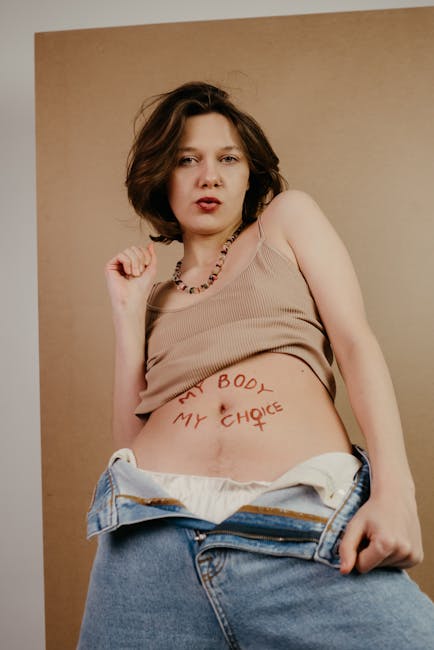
Lizzo's case uniquely intersects with evolving cultural movements. Body positivity emerged from radical fat acceptance groups of the 1960s, later commercialized into mainstream marketing campaigns. A 2022 Global Industry Analysts report valued the body positive apparel market at $10.9 billion, demonstrating how empowerment messaging became big business. When artists like Lizzo advocate for body diversity while facing workplace misconduct allegations, it creates cognitive dissonance for audiences who vested trust in their authenticity.
Entertainment industry labor data reveals deeper patterns. A 2023 survey by the Dance Artists' National Collective found 67% of professional dancers experienced harassment during performances, with only 12% reporting incidents due to fears of career repercussions. Behind glittering performances lies a power imbalance where globally recognized stars hold tremendous influence over supporting artists' livelihoods. Tours operate as transient workplaces lacking conventional HR structures, creating environments where inappropriate behavior can fester if unchecked.
The psychological impact on fans cannot be overstated. For marginalized communities finding validation through Lizzo's music, these allegations create painful conflicts. Social media sentiment analysis by ListenFirst shows Lizzo's brand favorability dropped 28% among body positive communities since the lawsuit emerged, indicating how personal these professional disputes feel to invested audiences. The artist's recent Instagram statement about being haunted by fat shaming claims reflects this personal and professional collision.
Historical precedents suggest such cases often reshape industry standards. When Paula Abdul faced similar dancer lawsuits in 1995, the resulting settlements prompted stricter chaperone policies for major tours. More recently, #MeToo revelations transformed Hollywood production protocols. Lizzo's current legal battles coincide with broader reevaluations of backstage conduct. Broadway implemented mandatory intimacy coordinators in 2018, while major music festivals now employ independent misconduct hotlines.
This legal confrontation also spotlights generational divides in workplace expectations. Millennial and Gen Z artists like Lizzo champion progressive values publicly, yet may unconsciously perpetuate outdated industry practices learned from previous eras. The touring circus mentality that tolerated excess in the 1970s stares uncomfortably at contemporary calls for psychological safety. Resolution requires nuanced understanding of how creative passion can sometimes override professional boundaries.
As the court process unfolds, the entertainment world faces pressing questions about accountability. Can artists who challenge social norms in their work be held to higher behavioral standards behind the scenes. What constitutes reasonable artistic research versus exploitative workplace demands. How do power dynamics affect what behaviors go unchallenged until lawsuits emerge.
Regardless of legal outcomes, this moment invites sober reflection on the messy intersection of art, commerce and human dignity. Perhaps the most valuable outcome would be updated industry standards ensuring creative expression never becomes justification for compromised worker safety. The stage lights reveal truth in unexpected ways, and how this performance resolves may determine who gets to write entertainment's next act.
 By James Peterson