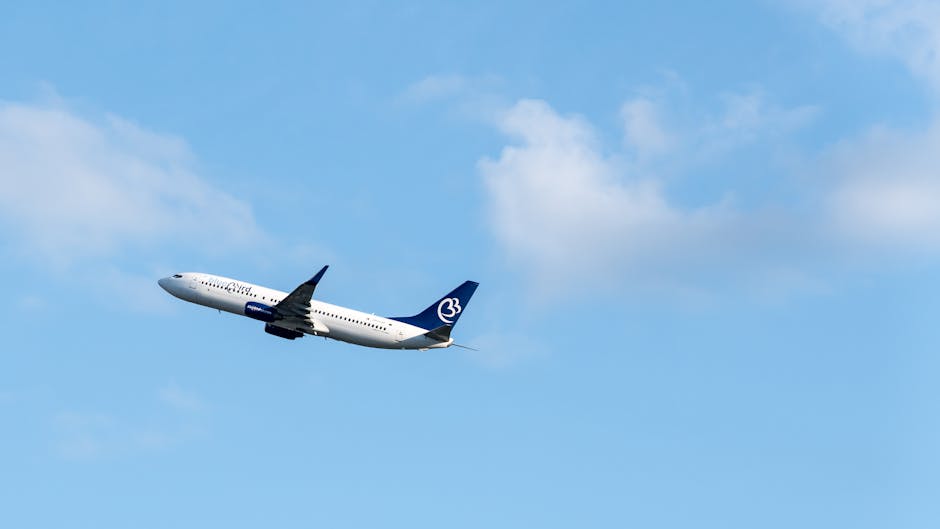
Beneath the desert mirage, turbulence brews for Oman's aviation ambitions
The announcement of direct flights between Singapore and Muscat felt like finding an oasis in the desert for travel enthusiasts. Starting July 2026, Oman Air will connect these two cities four times weekly, promising access to UNESCO recognized forts and mountain escapes. But peel back the marketing sheen and this route reveals existential questions haunting Middle Eastern airlines.
Oman finds itself at an economic crossroads. With oil revenues fluctuating like desert temperatures, the government aims to attract 5 million annual tourists by 2026, up from 2.9 million in 2023. Aviation becomes central to this vision. The sultanate plans to double passenger traffic through Muscat International Airport by 2030. Yet this expansion comes as Gulf carriers face unprecedented headwinds.
New research from the International Air Transport Association shows Middle Eastern airlines operating on razor thin 3.5% net profit margins, the lowest globally. Oman Air itself reported $780 million in accumulated losses between 2015 and 2022 despite government subsidies. This context makes the Singapore route appear more symbolic than strategic.
There's an uncomfortable irony in Oman promoting pristine nature while expanding carbon intensive aviation. The country recently committed to net zero emissions by 2050, yet Oman Air's new Boeing 787 Dreamliners for this route still burn 10% more fuel per seat than Emirates' latest Airbus A350s. When contacted, the airline declined to share specific emissions data for the Singapore service.
The human stakes extend beyond tourist convenience. Nearly 14% of Oman's workforce depends on tourism. Airport expansion created 11,000 jobs since 2020, but workers face volatile conditions. Last year, abrupt schedule changes at Oman Air led to pilot shortages, disrupting operations. Aviation employees describe pressure to meet tourism targets regardless of feasibility.
Competition with neighboring giants creates another layer of tension. Emirates operates 63 weekly flights from Dubai to Singapore compared to Oman Air's planned four. The disparity highlights Oman's delicate positioning, neither able to match the scale of UAE carriers nor the luxury appeal of Qatar Airways. Industry analysts question whether targeting premium travelers from Singapore makes sense when Muscat lacks the high end infrastructure of Doha or Dubai.
Financing reveals deeper complexities. Oman borrowed $1.5 billion through sovereign bonds last year, partly funding airport upgrades. This debt fueled strategy comes as rising interest rates increase repayment burdens. The aviation push risks becoming what economists term a "prestige project," prioritizing national image over sustainable economics.
Passenger rights advocates raise practical concerns too. Omani law currently caps flight delay compensation at $620, half the European Union standard. When technical issues stranded travelers last summer, many waited days for rebooking options. The new international route will test whether operational capabilities match marketing promises.
Beneath the glossy announcement lies a fundamental question, can aviation really deliver economic diversification? Tourism currently contributes just 2.4% to Oman's GDP compared to 5% in the UAE. Pouring resources into flights before addressing infrastructure gaps resembles building a palace on shifting sands.
Industry consolidation adds another wrinkle. By joining the Oneworld alliance, Oman Air gains access to shared lounges and mileage programs. But alliance membership cost over $12 million upfront with annual fees exceeding $2 million, according to aviation consultancy IBA. These expenses pressure smaller carriers to fill planes not just for profit but to maintain alliance status.
Environmental regulations loom as well. The European Union's Fit for 55 package could penalize less efficient aircraft like Oman Air's older 737s still used on regional routes. Future carbon taxes may erase already thin margins.
Singapore itself becomes an intriguing character in this drama. The city state exemplifies aviation dependence, with Changi Airport contributing 5% to national GDP. Yet even Singapore is diversifying, pouring billions into maritime tech and digital finance while Gulf states double down on planes.
There's poetic resonance in Oman promoting desert adventures via climate controlled jets. The Sultanate's tourism slogan describes "beauty has an address," but beauty doesn't pay fuel bills. As Oman Air prepares to bridge Singapore and Muscat, one wonders whether this flight path leads to genuine prosperity or simply becomes another mirage in the desert of aviation ambition.
The true test will come not in July 2026 but in the years following. Will these flights carry tourists seeking Oman's mountains and culture, or become another route primarily serving transit passengers chasing cheaper European connections? The answer determines whether aviation becomes Oman's economic engine or its most expensive mirage.
Modern aviation narratives too often focus on convenience while ignoring consequence. Oman's story encapsulates the paradox of 21st century travel. We chase untouched landscapes via the industry most aggressively altering our planet. We seek authentic experiences delivered through meticulously engineered systems. The new Muscat Singapore service offers not just a journey between cities but a lens to examine tourism's complicated bargain.
As travelers, we must ask not just "can we go" but "should we go." As citizens, we must scrutinize whether aviation investments truly uplift communities or simply enrich construction firms and aircraft manufacturers. And as Oman prepares to welcome Singaporean visitors, we might ponder what happens when a country stakes its future on showing strangers beauty while potentially overlooking the sustainability challenges brewing at home.
The runway lights are shining bright in Muscat. The question now is whether they illuminate a path to prosperity or merely blind us to turbulence ahead.
 By Vanessa Lim