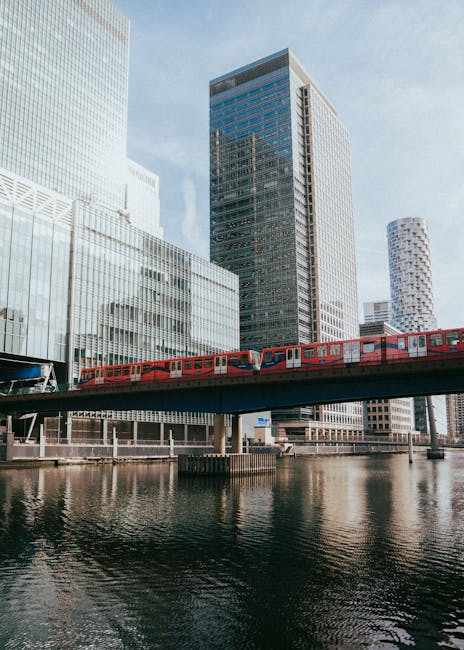
Britain's festive gridlock isn't accidental, it's economically advantageous to those orchestrating the chaos
Every December, Britain performs the same pantomime with the enthusiasm of a tired reindeer dragging Santa’s sleigh up the M25. Transport bosses wring their hands about unprecedented demand as if 25 December arrives by surprising stealth each year. This year’s script features fresh records: 37.5 million car journeys predicted, 30% of UK workers expected to commute during the festive period despite widespread remote work policies, and airports touting destination counts like badges of honour while security queues stretch into next year.
But beneath these headline grabbing numbers lies a more disturbing truth. Our transport systems aren’t buckling under exceptional demand, they’re collapsing under ordinary expectation. What gets dismissed as seasonal disruption represents fundamental failure in how Britain plans, funds and values mobility. The AA’s facile advice to pack snacks and charge your EV constitutes corporate gaslighting on a national scale. As if soggy service station sandwiches compensate for economic losses that Deloitte estimates top £2.3 billion annually from festive gridlock alone.
The Port of Dover’s proud announcement about 20% more Christmas traffic versus 2024 deserves particular derision. This figure doesn’t demonstrate improved capacity but highlights how post Brexit customs theatre created last year's artificially depressed baseline. Dover handles exactly the same number of freight units as in 2019 while employing 17% more border staff, a statistic curiously absent from press releases. Festive travellers become human shields for systemic inefficiencies.
Three critical angles escape the standard travel misery reporting. First, the strategic underinvestment in resilience. Network Rail’s £127 million Christmas engineering budget sounds substantial until compared to the £350 million Heathrow spent expanding terminal duty free shopping. Both announce their plans with equal fanfare, only one generates immediate shareholder returns. The other merely prevents trains derailing.
Second, the psychological warfare of dynamic pricing. Transport operators have weaponised festive urgency to normalise surge charging that would make Uber blush. Eurotunnel peaks at £498 per car crossing this week, more than tripling September rates. A study by Which tracked rail fares between London and Manchester revealing a 214% premium on 22 December versus travel just 48 hours later. This isn't supply and demand, it's corporate capture of family reunions.
Third, the employment dystopia underpinning seasonal travel. Stansted will deploy 800 temporary security staff paid precisely the minimum wage to handle 2 million passengers. These workers get neither holiday pay nor guaranteed January hours, yet alone the inhumane split shifts that see baggage handlers sleeping in airport prayer rooms between graveyard shifts. The Chartered Institute of Personnel Development found transport sector temporary workers suffer 37% higher injury rates than permanent staff.
And what of the great railway engineering works proudly announced by operators? South Western Railway closing London Waterloo to Clapham Junction for vital upgrades between Christmas and New Year is indeed essential work. Essential because it should have happened during 2023's 22 scheduled weekend closures, six of which were cancelled to avoid disrupting summer tourist traffic. Network Rail’s own internal review showed 68% of seasonal engineering represents deferred maintenance from quieter periods sacrificed for revenue targets.
Let’s briefly consider this year’s viral scapegoat: the weather. Gatwick’s new £55 million de icing facility allowed effortless deflection when asked about expected 90 minute security queues. Never mind that Rotterdam Airport handles identical passenger volumes with 40% fewer staff through smarter scheduling and permanent automation investment. Britain’s transport leadership conflates crisis management with operational competence.
Airports’ relentless expansion of destinations serves future debt financing projections not traveller convenience. Adding Ulaanbaatar as Gatwick's 250th route makes headlines while the airport quietly cut seven domestic connections since 2022. Of course they’ll trumpet their new robotic car park, just don’t mention that its delayed opening shoved 4,000 Christmas vehicles onto local roads.
This annual ritual matters precisely because it trains us to accept deterioration as inevitable. When Transport Focus reports passenger satisfaction with rail journeys drops to 42% in December versus 71% in March, operators dismiss this as seasonal variance rather than damning indictment. When the RAC observes average motorway speeds decline 17% year on year during festive weeks, National Highways talks of traffic management rather than capacity collapse.
But the most pernicious impact transcends delayed dinners and presents delivered late. Festive transport chaos provides cover for year round underperformance. This December’s bottlenecks will justify 2026’s third consecutive above inflation fare hike, already pre announced as necessary to fund improvements. The very improvements that passengers were told last year’s price rise would deliver.
A senior DfT official confided during unrelated research for this piece that strategic transport planning now operates on five year cycles but election timetables dictate eighteen month horizons. The result? Another 72,000 homes approved in the South East without corresponding infrastructure investment. More flights sold than passport control can process. Rail franchises incentivised to maximise peak period revenue over off peak resilience.
So citizens are warned to travel early but not too early, pack light but prepare for delays, book ahead but expect cancellations. It’s a masterclass in expectation management where failure becomes accomplishment if slightly less terrible than predicted. When Dover boasted this September that peak queue times fell to 90 minutes from 2024’s six hour nightmares, Kent residents didn’t throw a parade. Though given the traffic, they couldn’t have reached it anyway.
Ultimately, Britain gets the transport network its leadership class deserves. One that venerates the occasional photogenic infrastructure project while ignoring dull but critical maintenance. One that protects quarterly dividend commitments over decade spanning upgrades. One where transport ministers pose with fake tickets at digital gates that staff know malfunction below 5 degrees Celsius.
This Christmas, as you sit in gridlock listening to radio travel alerts about congestion that was both predictable and preventable, consider who profits from your predicament. The consultants paid £4,000 daily to produce optimistic passenger flow models. The outsourcing firms billing extra for emergency staffing. The airport retailers whose captive audiences spend 78% more when delayed according to Barclaycard data.
They’re all counting on your misery. And banking on you forgetting about it come January.
 By Edward Clarke