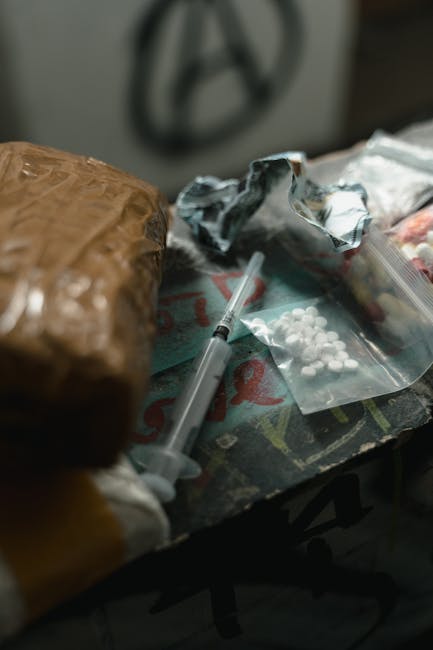
Chemical Roulette on Wheels: When New Drugs Outrun Old Laws
The evening commute should be predictable. Workers flow through Singapore's arteries knowing traffic lights blink with mathematical certainty, believing painted lanes offer inviolable boundaries. But on July 14, 2025, that fragile trust shattered near Raffles Boulevard when one driver transformed orderly streets into a chemistry experiment gone wrong.
Witnesses described a vehicle moving against the grain of traffic, a steel projectile defying logic and law. When police arrived, they found not just twisted metal but a human whose slurred speech and drooping eyelids told a story no breathalyzer could detect. Only later would blood tests reveal the culprit: etomidate, an anesthetic now infamous for becoming Singapore's newest traffic safety nightmare.
This landmark prosecution reveals more than a single reckless act. It illuminates a systemic vulnerability where synthetic compounds sprint ahead of legal frameworks, where laboratories outpace legislatures. Here lies one of public health's cruelest ironies: our societies create brilliant pharmacologists who engineer ever more specific chemical tools, only to have those same compounds weaponized against community safety.
Consider the timeline. Etomidate earned its Class C controlled substance designation in Singapore just three months ago. The substance behind our historical case already coursed through a driver's veins two months prior to that classification. This temporal disconnect isn't bureaucratic slowness, but rather an unavoidable symptom of modern drug proliferation. Global databases now track over 1,100 new psychoactive substances, with underground chemists modifying molecular structures faster than regulations can respond.
I recall interviewing a forensic toxicologist during the synthetic cannabinoid surge of 2016. Her laboratory resembled an endless race: "By Tuesday we identify last Thursday's drug variant. By Friday, they've tweaked three atoms. Monday brings emergency room arrivals with compounds we've never seen." Our conversation haunts me today while reading this etomidate case file. The chemical arms race has only intensified.
Roadside drug detection presents unique nightmares. While breathalyzers approximate alcohol impairment within minutes, identifying novel substances requires blood draws, laboratory analysis, and days or weeks of processing. How many intoxicated drivers escape detection during that window? The defendant here faced questioning while biologically compromised, yet his breathalyzer yielded zero alcohol clues. Without visible evidence of impairment, how many current systems would have caught him?
We must resist reflexive outrage toward enforcement agencies. Singapore's Health Sciences Authority operates one of Asia's most sophisticated drug monitoring programs. Their chemists likely identified etomidate's abuse potential years before this incident. But bridging the chasm between scientific recognition and legal prohibition involves committees, impact assessments, interagency coordination. Meanwhile, unregulated online pharmacies ship these substances with terrifying efficiency.
The human angles here deserve amplification. Imagine being the other driver in that collision, your evening commute exploding into shattered glass and squealing brakes. Picture medical teams stabilizing victims while puzzling over symptoms typical of general anesthesia, not traffic accidents. Envision the arrested man's family confronting his addiction through newspaper headlines rather than compassionate intervention.
Treatment professionals whisper uncomfortable truths about drugs like etomidate. Users initially believe they've found harmless recreation, unaware these compounds deliver anesthesia level sedation with unpredictable durations. One addiction counselor described a patient who used similar substances to "escape for just an hour" only to black out for days, awakening in unfamiliar districts missing shoes and memories.
Legislative history offers sobering parallels. When gamma hydroxybutyrate (GHB) emerged in 1990s clubs, dubbed "liquid ecstasy," governments required years to enact controls. During that gap, emergency rooms documented overdoses from a substance initially marketed as a dietary supplement. The current landscape moves exponentially faster, with dark web tutorials teaching etomidate modification to evade detection.
Singapore's strict drug policies ironically create blind spots. By maintaining among the world's toughest penalties for traditional narcotics, the nation drives users toward uncontrolled alternatives. Why risk heroin detection when untracked research chemicals promise similar highs? This paradox escalates risk: at least with known substances, medical responders have antidotes and protocols. Novel compounds leave emergency teams navigating treatment blindfolded.
Financial incentives exacerbate the problem. Underground laboratories mass produce etomidate analogs for less than S$5 per dose, selling them online at 50 fold markups. Their marketing targets young professionals seeking "functional highs" that won't appear on workplace drug tests. None mention that anesthesiologists meticulously calculate surgical doses because mere milligrams separate sedation from respiratory failure.
Technology offers glimmers of hope. Portable mass spectrometers now under development could allow roadside identification of hundreds of substances within minutes. Toxicology artificial intelligence systems track global drug forums, predicting emerging threats before they hit streets. Singapore could pioneer such innovations, creating rapid response protocols where temporary substance restrictions activate upon initial abuse reports pending full risk assessments.
Public health history teaches that substance misuse requires more than punishment alone. After Canada standardized fentanyl test strips and supervised injection sites, overdose deaths plateaued despite rising addiction rates. Portugal's drug decriminalization experiment cut usage among teens by focusing on treatment over incarceration. While no model perfectly suits Singapore, strategic compassion might disrupt the cycle better than reactive punishment.
Most crucially, this case forces examination of prevention infrastructure. Current drug education relies on scare tactics about substances everyone already fears. Where are the dynamic programs explaining how research chemicals bypass regulations? When will schools teach that structural analogs and international shipping loopholes make any Internet purchase a game of Russian roulette?
As the defendant faces his charges, dozens more drivers likely operate vehicles under similar substances today. Laboratories synthesize new variants even while I type these words. Merely reacting to each novel compound guarantees perpetual crisis. True safety demands anticipating chemical curves before dangerous swerves happen.
Singapore built its reputation through visionary planning and technological adaptation. That same foresight must now confront this chemical labyrinth. Traffic cameras and stiff fines form important defenses, but our best hope lies in matching molecular innovation with equally clever policy, blending enforcement with education, treatment, and honest conversations about why so many seek chemical escape from daily life.
The Bras Basah Road accident mercifully injured no one physically. Its psychological and societal trauma spreads further. Either we accept roads filled with amateur anesthesiologists behind wheels, or we engineer solutions as sophisticated as the threats we face. The choice belongs to all who share streets, raise children, or believe orderly societies shouldn't surrender to chaotic chemistry.
 By Helen Parker