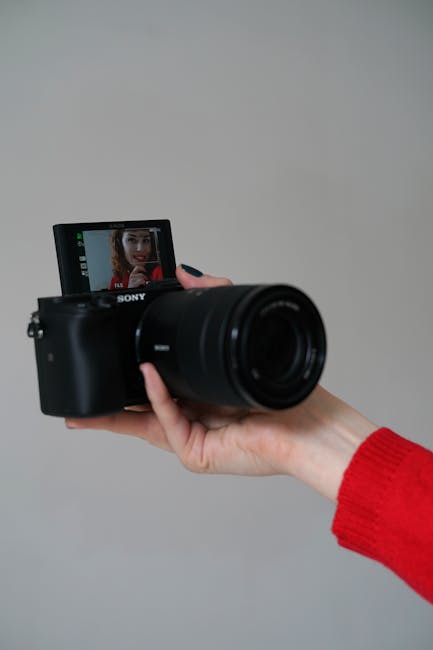
The camera Sony thinks you deserve hits different from what you might actually need.
I watched Sony unveil its latest A7 V camera this week through a fog of marketing speak and carefully parsed specifications. On paper, it looks formidable. Thirty three megapixels. Four thousand pixel video at 120 frames per second. Autofocus systems smart enough to detect insects mid flight. But numbers tell only part of the story, and the restrained applause from professional creatives across my social feeds tells the rest.
Make no mistake. This machine will take breathtaking photos. That stacked sensor makes shooting feel like skating on freshly Zambonied ice. As a former pro photographer who still carries scars from DSLR focusing screens and film advance levers, the idea of fourteen stops of dynamic range paired with thirty frames per second bursts feels like witchcraft perfected. Sony knows optics. They understand light. But they also understand profit margins and planned obsolescence.
The omission of raw video capture stings like lemon juice in a paper cut for content creators. Let's call this what it is. Not an oversight, but a calculated exclusion designed to maintain product segmentation. Raw video eats storage drives for breakfast, true enough. But it also liberates filmmakers from Sony's vision of what footage should look like. By restricting output to their proprietary formats, the company maintains artistic control long after the camera leaves the warehouse. It's an elegant corporate judo move. Frame limitations as benefits. Position compromise as wisdom.
We've seen this dance before. The automotive industry mastered it decades ago. Features people genuinely want heated seats, navigation systems, adaptive cruise control strategically withheld from base models to create aspirational product tiers. Camera manufacturers now play the same game. That missing seven thousand pixel video capability isn't about technical constraints. It's about not cannibalizing sales from Sony's five figure cinema line. The message is clear. Buy into our ecosystem. Accept our creative constraints. This is the velvet rope at the corporate nightclub, and not everyone gets past the bouncer.
The human cost appears in editing bays across the planet. Students cobbling together thesis films with rented gear suddenly must choose between workflow fluidity and creative flexibility. Wedding videographers who trusted Sony as their workhorse brand now face upgrade paths littered with roadblocks and workarounds. I spoke to a documentary filmmaker mid project who can't decide whether to abandon years worth of Sony lenses over this. Equipment decisions become identity decisions become financial decisions become artistic decisions. None of this shows up in spec sheets, but it echoes through every frame captured with compromised tools.
Critics will argue most users don't need raw video. They're probably right, the same way most drivers don't need cars that can exceed eighty miles per hour. But capability breathes possibility. Creators grow into tools, not down to them. Those gigabytes of raw footage become the raw material for unexpected genius when talented people push beyond intended use cases. Corporate paternalism shapes cultural expression whether we acknowledge it or not. Every technical limitation becomes an artistic limitation.
Sony's camera division faces pressure Wall Street doesn't account for in quarterly reports. Smartphone computational photography now handles tasks that required thousand dollar lenses five years ago. Their core market bifurcates between casual shooters moving to mobile and professionals demanding ever more specialized tools. In between lies the vanishing middle class of serious amateurs and independent creatives. The A7 V wants to be their Swiss Army knife, but it's missing half its blades.
Compare this to Canon's recent playbook. Their cameras increasingly resemble film sets shrunk to handheld size. Nikon leans into rugged utility for wildlife photographers braving monsoons. Panasonic courts videographers obsessed with cinematic color science. Sony? Southpaw as ever. They're betting the farm on speed and precision, automating composition through AI framing assistants that feel equal parts helpful and slightly sad, like a robot chaperone at a middle school dance.
The most telling moment came not from Sony's press materials, but from their senior product manager during a technical Q&A session. One photographer asked whether animated GIF support might ever become a firmware feature. The polite deflection that followed spoke volumes about where R&D dollars flow these days. Toward container ships full of product for influencer unboxing videos, not practical tools for working creatives.
Let's talk about that CFexpress Type A card slot controversy. Sony persists with this proprietary format despite overwhelming industry preference for standards based alternatives. Their argument about speed advantages rings increasingly hollow when other manufacturers achieve similar performance without vendor lock in. This isn't innovation. This is a hamster wheel disguised as progress. I pity the production assistant who must explain why their Tier 2 market shoot requires memory cards costing thirty percent more than industry standard alternatives.
Heat dissipation specifications become vectors for corporate storytelling too. Ninety minutes of continuous 4k video recording sounds impressive, but film sets operate on scales far beyond this arbitrary number. Documentarians shoot hours of B roll. Event videographers work entire weddings without battery swaps. These limits shape productions before cameras ever leave cases. Someone, somewhere greenlit Sony's engineering decision to prioritize burst photography thermal capacity over extended video runtime. That someone wasn't knee deep in swamp water shooting a nature doc.
Price tells another story. The A7 V's twenty nine hundred dollar entry point positions it above the Nikon Z6 III and solidly within Canon R6 III territory. For hybrid shooters balancing stills and motion, the absence of raw video suddenly becomes an eighty percent solution at one hundred and ten percent of the cost. Value propositions erode when competition offers more at lower price points. Sony counters with superior autofocus claims, but focus only matters if you're capturing all the data creatives need.
This technical chess game overlooks philosophical tensions surrounding creative tools. Equipment that anticipates too much risks domesticating its users, much like Instagram filters flattened photography into homogeneous aesthetic templates. True craftsmanship emerges from wrestling limitations into revelations. Perhaps Sony's obstinance about video specs will spark unexpected ingenuity. Neorealism thrived partly due to wartime film stock shortages, after all. Constraints birth movements. But deliberate hobbling of hardware smothers such potential at conception.
Watching this rollout reminded me of an afternoon spent shadowing legendary photography professor Jerome Liebling decades ago. He taught generations how cameras teach us to see. When student complaints about equipment limitations grew audible, he'd hold up his battered Leica. They don't make these anymore, he'd say. But they made me. Tools become extensions of vision, but corporate decisions increasingly mediate that relationship. What does Sony want us to see? More importantly, what don't they?
No camera pleases everyone, but some designs speak volumes about who they seek to please. The A7 V whispers sweet nothings to action sports photographers while passive aggressively ghosting cinematographers. Its brilliance comes wrapped in frustrating compromises that feel less like technical hurdles than conscious choices to reshape creative ecosystems. Corporations aren't our friends, but neither are they our enemies. They're indifferent partners playing long games for quarterly returns. Our art deserves better matches.
 By Robert Anderson