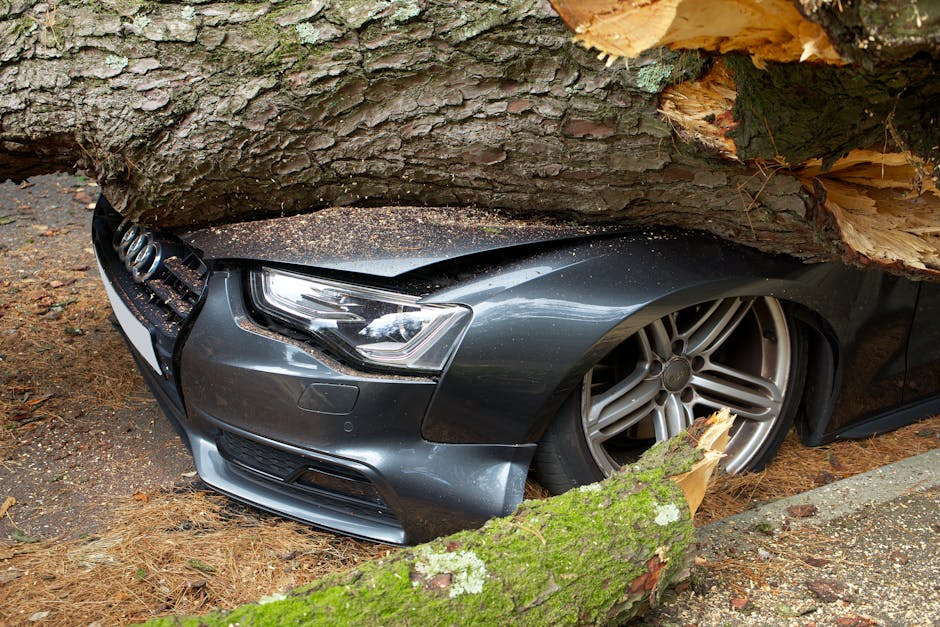
The silence after impact speaks volumes about how we protect our kids
It happens in the time it takes to curse at a missed turn. The brief skid across wet asphalt becomes irrevocable history. This weekend, a stretch of road in Oxted witnessed physics triumph over biology when a white Tesla embraced a tree with catastrophic intimacy. Two young men, decade old raincoats still hanging in their childhood hallways, evaporated from tomorrows. One more battles gravity in a hospital bed. The arrested driver lies somewhere between villain and victim, his own injuries whispering inconvenient questions about responsibility.
Let me confess something. Every time my phone buzzes with news alerts like this, I do this ridiculous ritual. I text my twenty two year old nephew Charlie you still driving like a wobbly giraffe? I pray he doesn't recognize it as shorthand for I love you more than clean lab results and avocados. He sends back an eye roll emoji. We've performed this dance since he got his license at seventeen, back when his car smelled of synthetic pine and poorly vaped strawberry fog.
Police have not yet clarified who owned the Tesla or why this particular car seems magnetized to tragedy. Last year's recall over faulty seatbelts haunts my peripheral vision. Modern vehicles cocoon us in illusionary safety, touchscreens glowing like religious icons while steel crumples against oak. The boys in Surrey weren't driving, but they chose to ride with someone. Youth lends itself to trusting invincibility. Tacitly, we taught them to.
Britain roads witnessed 1,711 fatalities last year. Teenagers constitute 14 percent. We've normalized young death dressed in euphemisms. Accident implies inevitability. Crash investigation reports pulse with screaming subtexts, the ignored graffiti on our collective consciousness bout distracted driving laws weaker than takeaway tea. You dangle a two ton projectile before kids raised on Grand Theft Auto logic. Then act surprised when fiction bleeds.
The human impact radiation here levels villages. One mother likely still smells her son's hair gel on his pillow case. She'll cry so hard at the funeral her tear ducts bruise. The arresting officers will replay moments from their own adolescents, trembling hands clutching paper coffee cups outside the hospital. Some young nurse earning barely enough for bus fare will memorize the weight of a teenager whose name she never learned as she turns down his life support alarm. Heroes move quietly through these tragedies.
Is it hypocrisy when society markets freedom through horsepower and then expresses shock when velocity exacts its tax? Automakers sponsor Formula One races while public service ads whisper don't speed. Councils install speed cameras in visible spots, ignoring the poorly lit backroads teenagers actually use. We've systemically failed young people by refusing to acknowledge that driving isn't mere transportation, but a rite of passage poisoned with consequences nobody explains without pamphlets coated in bureaucratic dust.
Here's where I admit a secret loathing for those mandatory driving school videos. Grainy reenactments of drunk driving crashes from the 1980s lacked authenticity that Tik Tok trained brains require. We need visceral education. Maybe teens should sit with paramedics scraping brain matter off dashboards. Or pushing gurneys through corridors while doctors shout resuscitation protocols. Morbid? Sure. But thirty years after those cautionary films, kids still die.
Technology offers treacherous comforts. Teslas autopilot systems dazzle until reality bites. Cameras, proximity alerts, lane controls they create champagne bubble confidence. Young passengers assume the car itself understands morality, that silicon has better judgement. Then comes the oak tree, older than any algorithm, that doesn't negotiate.
Solutions feel painfully obvious yet obstructed by reluctant politicians. Graduated licensing requiring years of clean driving before accessing high powered vehicles. Mandatory defensive driving courses taught by ex race car drivers who've buried teammates. Financial incentives for manufacturers prioritizing collision avoidance tech in economy models glorified golf carts would save more lives than another influencer marketing luxury speed.
Meanwhile, Surrey Police ask for dashcam footage and witnesses. People will send clips. TikTok might briefly mourn these boys before the next viral trend eclipses them. That's today's grief a candle burning at both ends. The arrested man, should he survive, inherits a new identity prefaced by headlines. Driver becomes suspect becomes convict. Perception cement dries fast.
When did we decide certain deaths deserve asterisks? They were just teenagers. They made questionable choices. They didn't wear seatbelts. Imagine etching that onto a headstone. Accountability matters, absolutely. But so does designing communities where youthful errors don't default to lethal punishments.
Lastly, to the families navigating shock so profound it registers on Richter scales. May you steal small comforts. Photos, stray socks under beds. The perfume of half finished deodorant cans. Forgive yourself for not knowing the last I love you was indeed the last. None of us possess that foresight. That cruelty belongs exclusively to history, and columnists scrambling for meaningful closure where little exists beyond flowers decaying against roadside trees.
Speed governs modern existence. We just forget momentum works both ways.
 By Barbara Thompson