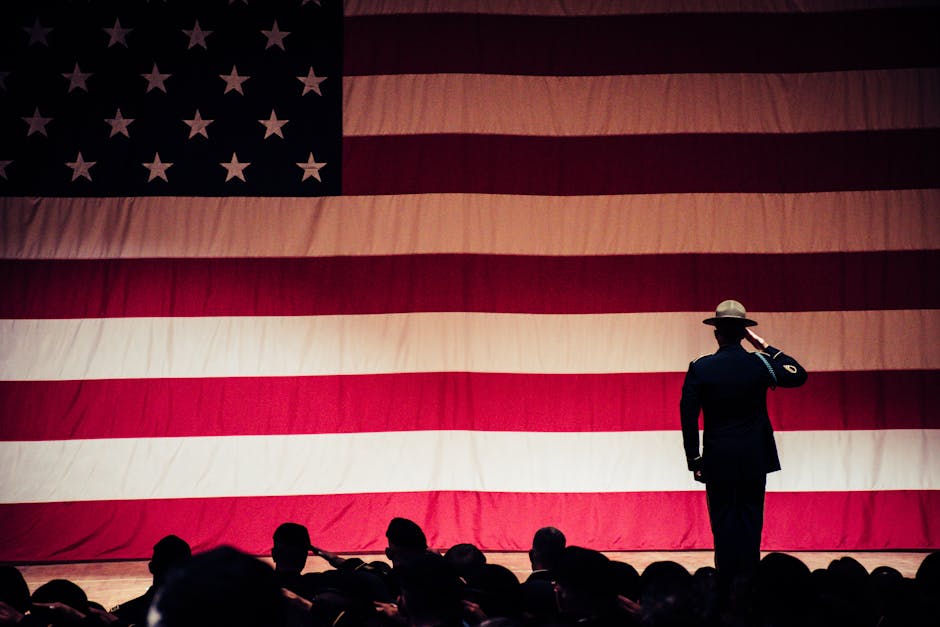
A leading man trades scripts for service as duty calls Marine style
The ping of notification alerts across fandom platforms yesterday carried bittersweet news. Lee Jung Ha, the breakout star whose haunting performance in Moving made international audiences sit upright, will trade designer suits for camouflage next month. Not just anywhere. The Marine Corps. South Korea's most notoriously demanding military assignment.
Imagine Hollywood's fastest rising leading man voluntarily pressing pause at his peak. Tom Cruise leaving Top Gun 3 filming to join Navy SEAL training. Timothée Chalamet disappearing for two years after Wonka's success to become an Army Ranger. That's the scale of professional interruption happening here. Except Korean entertainment operates with higher stakes and fiercer competition. When you vanish, replacements queue around the block.
This signing bonus involves 45 kilos of gear on predawn hikes through sandpits. While many actors quietly seek softer postings communications regiments, band units, even public affairs office duty Lee Jung Ha reportedly requested frontline Marine placement. His agency's carefully worded announcement specifies application and acceptance language uncommon phrasing suggesting proactive choice rather than passive assignment. The distinction matters.
Peel back the patriotic veneer and complex calculations emerge. Military service remains the ultimate authenticity test for Korean male celebrities. Those perceived as weaseling through with cushy assignments face lasting fan resentment. Remember the three member boy band dragged for suspiciously convenient psychiatric exemptions. Or the actor caught purchasing forged medical certificates who still hasn't rebooted his career.
However, 2026 wasn't supposed to be Lee Jung Ha's barracks era. Industry whispers suggested he'd fielded multiple drama offers since The Auditors wrapped beauty leads in fantasy epics, charismatic villains in noir thrillers. At 28 fresh from artistic breakthroughs most actors lobby for deferment letters from casting directors. Yet here he stands, shaving his head willingly.
This timing hosts fascinating implications. Military service transforms celebrities' public personae whether desired or not. The boyish romance star returns bearded and taciturn. The pretty idol resurfaces with shoulders widened by combat drills. Lee Jung Ha currently occupies curious space, transitioning from quirky supporting player in 2024's Delivery Man to leading man material through Moving's success. Two years away could cement his serious actor credentials or evaporate hard won momentum.
Consider Rain's trajectory. When the singing sensation enlisted in 2011, fans worried his absence might dull the shine. He returned with increased artistic credibility, leveraging military precision dance routines into broader appeal. Contrasted with Kim Hyun Joong, whose pre military scandals magnified through his absence, tanking popularity. Lee Jung Ha enters this gamble relatively scandal free. His biggest tabloid splash involved being photographed buying hotteok pancakes near Myeongdong.
Beyond individual consequences, this underscores broader K entertainment pressures. American actors take sabbaticals for rehab or passion projects without career implosion. Korean stars operate within compressed timelines. Female colleagues face biological clocks ticking through no fault scripts drying up post 35. Men confront national service deadlines and post military typecasting. Small wonder agencies lobby clients to enlist earlier once initial fame stabilizes.
Lee Jung Ha's decision carries financial weight too. By choosing active Marine duty instead of public service roles where celebrities sometimes continue limited promotions, he forfeits potential endorsement income. Top endorsers earn seven figures yearly from cosmetics to clothing lines. Though military service ads occasionally feature famous recruits, Marine Corps contracts prioritize unit cohesion over individual publicity. The paycheck here comes in sweat soaked fatigues, not check endorsements.
For fans, this abrupt departure stirs complicated emotions. Message boards oscillate between teary patriotism and pragmatic concern. Notes pile under his latest Instagram post. Some urge him to stay safe near supply depots. Others brag about their oppa being tougher than American Marines. Several lament the suspension of his fashion experiments oversized knitwear, sculptural trench coats now replaced by digital pixel camo uniforms.
A quieter but equally poignant effect emerges when considering his artistic trajectory. Lee Jung Ha exhibited rare range across his brief catalogue. In Telecinema's Blue Happiness, he played a disillusioned ballet dancer with aching vulnerability. His terrifyingly detached turn as a telekinetic government assassin in Moving showcased chilling control. Many hoped he'd next challenge rom com territory, leveraging those gentle deer eyes into swoon worthy territory.
Industry veterans privately note the double standard emerging. Female counterparts face no such obligatory career pauses, leading to awkward resumption dynamics. Actresses often undertake historical dramas during male stars' absences, dominating ratings until returning soldiers claim the spotlight again. Lee Jung Ha leaves amidst growing momentum for gender equity debates in casting balances. Will audiences still reserve spaces for him in 2028.
The Marine Corps angle adds symbolic heft. While mandatory military service remains culturally respected, Marine enlistment retains almost mythic status for its brutality and prestige. Few celebrities attempt it. Those who do endure survive on instant noodles between midnight drills with drill sergeants famously unimpressed by fame. Memories persist of one K pop star caught smuggling contraband coffee mix packets resulting in three extra weeks of confinement rations.
Here lies our hidden hypocrisy snug between patriotism and vanity. We clamor for stars serving with hardship credentials, rewarding those who choose the toughest paths. Yet simultaneously, entertainment cycles accelerate worldwide. Hollywood squeezes six superhero universes yearly. Top Korean drama factories crank out 16 episode romances quarterly. When Lee Jung Ha returns, his contemporaries will boast twice the filmography depth. Streaming algorithms cycle through next big things monthly.
Perhaps redemption hides within industry nostalgia cycles. Remember Hyun Bin emerging from specialized Marine unit service to claim 2020's glory with Crash Landing on You. His uniformed stint amplified rather than diminished appeal, framing his return as conquering hero narrative. Lee Jung Ha likely bets on similar alchemy. Those Marine Corps biceps won't hurt either when directors seek action heroes upon his return.
What remains undeniable is the human price tags beyond career arithmetic. Enlistees actually leave families, lovers, pets. They miss birthdays, awards shows, parents aging. Co stars continue filming intimate scenes he might've played. While producers publicly support patriotic duty, unofficially they mourn interrupted momentum. The Auditors co star Shin Ha Kyun just wrapped a Netflix original during Lee's announcement week. His calendar keeps accelerating as Lee's pauses.
Ultimately, this serves larger societal conversations about celebrity as civic model. When Lee Jung Ha posted handwritten enlistment letters to fan cafes, teenagers commented they'd now consider Marines themselves instead of seeking softer postings. That unmeasurable influence exceeds any drama ratings impact. Between the career doubts and physical trials awaits intangible growth artists can't workshop. For better or worse, a nation will watch one actor's scripted life intersect with real duty.
 By Vanessa Lim