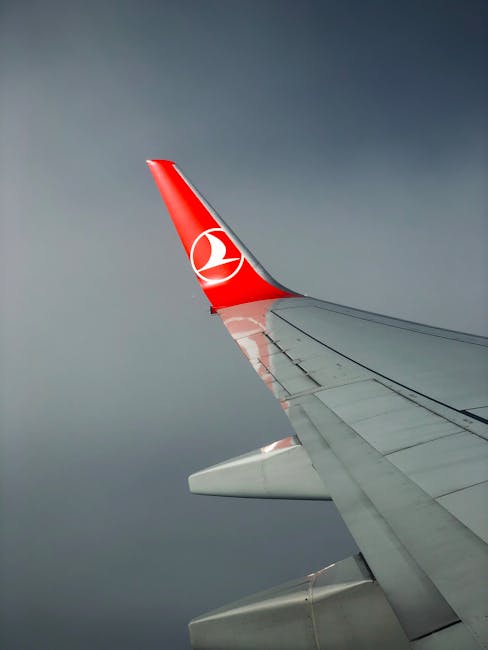
Regulators redraw liability lines while travelers inherit turbulence
The Department of Transportation dusted off a rarely invoked regulatory carveout last week, informing airlines they bear no obligation to compensate passengers for costs incurred during aircraft recalls. The guidance surfaces as multiple carriers ground Boeing 737 MAX variants following new manufacturing defects. Industry filings show carriers immediately incorporated this liability firewall into investor communications. Shareholder reactions predictably positive.
This administrative stance originated from parsing two contradictory doctrines. The 1963 Carroll Doctrine established baseline service obligations for common carriers, while modern FAA regulations emphasize manufacturer culpability for certified airworthiness defects. DOT lawyers found daylight between design failures and operational interruptions, allowing carriers to deem recall related cancellations as acts of God rather than service breaches. A convenient partition.
Disaggregating responsibility suits both parties. Manufacturers avoid triggering breach warranties. Airlines sidestep Department of Transportation fines for systemic cancellations. Only travelers experience unified consequences yesterday's delayed meeting plus tomorrow's rebooking fee becomes their arithmetic to solve. The dot connectors at DOT headquarters likely recognize this downstream displacement.
Financial disclosures tell parallel stories. Southwest Airlines' 10 Q filed three business days post announcement lists anticipated savings from avoided compensation. The term passive retention appears where consumer reimbursements once stood. Boeing's latest quarterly report conversely includes no supplemental liability accruals linked to passenger costs. Cross corporate accounting evidently requires no such bridge.
Historical aviation regulation contains recurring liability migration patterns. The 1925 Air Mail Act transferred early US Postal Service losses to private operators. Post 9/11 bailouts socialized industry collapse risks. This latest decision continues transferring downside exposure from corporate entities to individual consumers, with DOT blessing the pass through model. No new playbook required, just new applications.
Parallel consumer industries face no such compartmentalization. Automotive recalls mandate loaner vehicles regardless of manufacturer versus dealer fault. Pharmaceutical recalls trigger retailer refund obligations beyond manufacturer buybacks. Airlines however operate within a liability latticework built by decades of federal preemption doctrines, where passenger claims funnel toward capped ticket prices rather than experiential damages.
The public fallout remains measurable in reshuffled costs rather than vocal outrage. Travelers pay twice, once for the scrapped ticket, again for the rebooked seat. Hotels and rideshares collect premiums from stranded passengers. Airlines preserve margins through unencumbered capacity reductions. Only class action firms appear poised for gains, testing whether CRO, CEO, or CFO signatures belong on recall decision trees.
Unspoken throughout remains the regulatory confidence in zero cumulative harm. Each recall qualifies in isolation. No rolling calculation of compounded passenger impacts. Every grounded MAX plane represents 178 individuals losing holiday plans, business deals, or family reunions. Collectively perhaps thousands of life plans derailed per incident. But individuals experience fractures, not aggregates. And fractures merit no line items. Unless lawyers later argue otherwise.
Future corporate historians may pinpoint this era as Peak Decoupling, when every institutional actor from manufacturers to regulators to insurers achieved maximum risk dispersion. Passengers simply became the end point absorption layer, their financial elasticity assumed infinite. Investment banks certainly think so, maintaining buy ratings based on sustained pricing power over captive audiences.
 By Tracey Wild