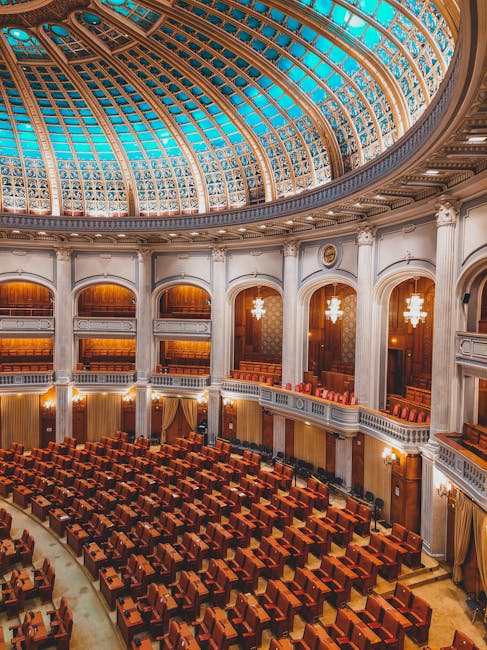
Political fibs meet legal consequences in Singapore's ruling on parliamentary poker faces
Somewhere between the sacred oaths and the convenient amnesia lies modern politics' favorite playground. The recent Singaporean parliamentary drama involving opposition leader Pritam Singh's conviction for lying under oath presents what comedians might call 'low hanging fruit' and what philosophers might term a crisis of democratic accountability. Except in this case, the fruit appears to have fallen directly onto the head of a man who once happily wielded the ethical pruning shears himself.
Singh's journey from opposition firebrand to convicted political figure reads like a Shakespearian tragedy performed by accountants. The Workers' Party chief now faces parliamentary debate about his suitability to remain Leader of the Opposition following his conviction for misleading a parliamentary committee. The twist. This comes from a man who previously championed expelling party members for similar truth stretching. The irony glows brighter than a Times Square billboard.
Singapore's political ecosystem operates differently from Westminster or Washington models. When House Leader Indranee Rajah calls the facts 'disturbing,' she refers to a political culture that treats serving straight facts with ceremonial seriousness, as if Parliament operates like a courtroom with better air conditioning. While other nations normalize political obfuscation Singapore maintains stricter protocols against parliamentary falsehoods. For context, if British MPs faced consequences for every debated inaccuracy, Parliament would resemble an abandoned movie set.
The human impact extends beyond Singh's $14,000 fine. Each political credibility crisis chips away at civic faith like water erosion on marble monuments. Citizens worldwide increasingly view political speech as performance art anyway. When leaders demonstrate that official oaths carry legal weight, it transforms political accountability from abstract concept to concrete reality. Yet this also raises questions about who decides truth thresholds and why they fluctuate between cases.
Globally, political systems struggle with balancing forgiveness for misstatements versus accountability for intentional deception. Singapore has quietly developed its own formula while larger democracies tolerate chronic truth decay. Imagine if every congressional hearing included the specter of financial penalties for confirmed false testimony. The US national debt might decrease through forfeited representatives' salaries alone.
The case reveals three uncomfortable realities about modern governance often missing from public discourse, and no, they don't involve voter apathy or campaign finance, though those certainly also apply. First, opposition parties frequently behave like governing coalitions in exile, replicating the arrogance of power they theoretically oppose. Second, political apologies increasingly follow court judgments rather than personal reflection becoming legal necessities rather than moral choices. Third, voters instinctively expect ethical perfection from officials while simultaneously institutionalizing systems that reward plausible deniability.
Singapore's approach suggests intolerance for political prevarication that many Western democracies could study. The UK's Brexit falsehoods or American election conspiracy theories might evaporate quicker if sponsors faced actual liability risks. While critics warn about stifling political debate, Singapore's model proves consequences force careful speech. Neither system offers perfect solutions, but their contrasts highlight democracy's core challenge. Maintaining free political expression while discouraging weapons grade dishonesty.
The Workers' Party now enters an ethical hall of mirrors. Having previously ejected members for honesty breaches while their leader faces similar accusations creates symmetry worthy of Greek myth. Their pending decision tests political maturity like never before. When public stature conflicts with organizational values, preservation instincts often win. Yet Singaporean politics operates differently. Perhaps maintaining public trust isn't optional.
Rajah's statement regarding 'First World Parliament' standards contains profound wisdom beneath its bureaucratic wrapping. Political credibility remains democracy's least renewable resource. Every documented lie resembles petroleum contaminate in the drinking water of public trust. Cleanup costs always exceed prevention investments.
As technology enables broader proliferation of political falsehoods, accountability mechanisms appear increasingly essential. Legal systems might become society's antivirus software against democracy corrupting malware. Should this principle extend globally or remain Singapore's signature governance feature Time will tell. For now, the conviction serves notice. Even politicians promising transparency occasionally require external spotlights.
Parliament's January discussion may ultimately demonstrate Singapore's unique balance between upholding legal standards and recognizing political realities. Will Singh join his former colleagues in political exile or receive different treatment because of higher status It's worth watching. Whether systems apply ethics consistently tests their integrity more than any spirited opposition debate.
Ultimately, this Singaporean episode teaches global audiences that political credibility resembles fine china. Everyone notices only when it shatters. Maybe democracies should create less fragile dinnerware.
 By Margaret Sullivan