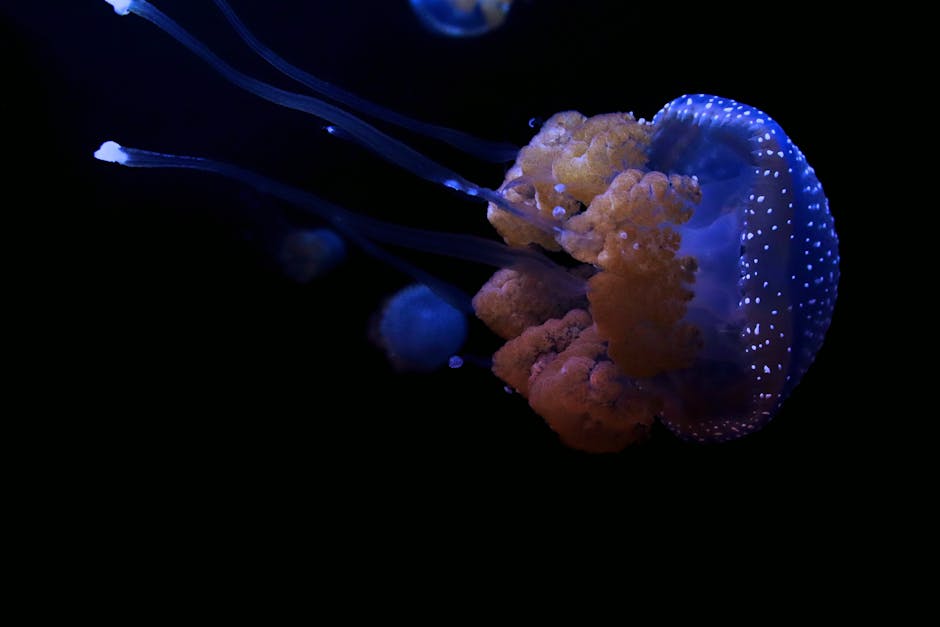
Nature’s tiniest flashlight shark hides in plain sight.
Imagine dropping a glowing marble into a sack of ordinary pebbles. Now shrink that marble to the size of a lipstick tube, give it teeth, and let it swim around two miles beneath oil tankers in the Gulf of Mexico. Meet Earth’s newest rockstar, the American pocket shark. A creature so absurdly charming it makes garden snails look like overdramatic divas.
This mini menace measures less than six inches long. Picture a hot dog that traded its ketchup for glow sticks. Scientists hauled it up during a routine survey back in 2010, then promptly forgot about it in a freezer for three years. To be fair, the poor thing was surrounded by thousands of equally dead fish companions. It’s like trying to spot a single neon Lego brick in a bin of gray ones while wearing fogged up swim goggles.
Fisheries biologist Mark Grace eventually found our glowing protagonist during a fishy treasure hunt through frozen specimens. His reaction probably resembled someone discovering their toddler had secretly replaced all the coffee beans with jellybeans. Utter confusion with a side of delighted fascination. Here was a creature sporting built in nightlights and mysterious pockets near its gills, features not seen in any known Gulf resident.
Now comes the really funny part. To study this priceless specimen without damaging it, scientists basically gave it the world’s most thorough spa day. CT scans, X rays, even a trip to France for synchrotron scanning. That’s right, this tiny shark crossed the Atlantic in style while most humans save for years to afford such trips. The imaging technology revealed hidden tooth rows in its cartoonish grin and pockets that likely squirt luminous mucus. Nature’s answer to a glow stick party favor.
Bioluminescence in deep sea creatures usually serves practical purposes. Light up your belly to match the faint glow from above, becoming invisible to predators below. Create flashy distractions to escape hungry jaws. Maybe even write romantic messages to potential mates, though no one’s caught sharks passing undersea love notes yet. The pockets add mystery. Do they squirt luminous clouds like an underwater squid? Lure prey like anglerfish doing disco fever? Scientists can only speculate, since this little party animal refuses to dance for us in its natural habitat.
What makes this discovery extraordinary isn’t just the shark’s quirky design. It’s the location. This glowing wonder was pulled up in the Gulf of Mexico, one of Earth’s most intensively monitored marine areas. Oil platforms drill there. Cruise ships float there. Shrimp boats drag nets through those very waters. Yet below all that human hustle floats a secret light show we never noticed.
Dr. Henry Bart from Tulane University put it best when he noted this find shows how little we understand about the Gulf. We map its oil deposits with satellite precision yet miss entire species glowing right under our ships. It’s like spending decades studying your refrigerator’s exterior while ignoring the questionable leftovers evolving inside.
The pocket shark belongs to elite company. Only two specimens of its kind exist in scientific collections, one hauled up near Chile in 1979 and this Gulf traveler. Think about that. In an age where we track every TikTok trend and Amazon packages arrive before we finish ordering them, an entire shark genus remains basically invisible. It’s the marine equivalent of discovering your quiet neighbor is actually a Grammy winning polka artist.
But here’s where the story turns hopeful. If something this flashy and weird stayed hidden until 2025 in one of Earth’s busiest waterways, imagine what else might be lurking undiscovered. We’ve identified maybe 10% of ocean species according to marine biologists. The remaining 90% could include lobsters that recite Shakespeare, jellyfish that predict the stock market, or possibly glowing Pomeranian sized sharks that knit tiny sweaters. Okay, maybe not the sweaters part.
The pocket shark also showcases science’s greatest magic trick. Not the multimillion dollar scanners, but the simple act of looking closely at what we’ve already collected. Museums worldwide contain biological mysteries waiting to be noticed amidst jars of preserved specimens. All it takes is a curious grad student, a slow Tuesday afternoon, and suddenly humanity gains a new glowing friend. Who knows what else is gathering dust on shelves, quietly waiting for its moment in the literal spotlight?
This discovery also highlights scientific collaboration. NOAA scientists stored the specimen, Tulane researchers helped analyze it, and French technology unlocked its secrets. It’s like a tiny aquatic United Nations meeting, except with more teeth and no arguing about trade policies.
Critics might ask why a glowing shark matters when oceans face real problems like pollution and warming. Fair question. But consider this. Wonder is conservation’s best recruiter. No kid becomes a marine biologist because they read spreadsheets about algae pH tolerance. They do it because somewhere, a teacher showed them pictures of glow in the dark sharks smaller than cell phones. That sense of mystery drives protection efforts more effectively than any doom filled lecture.
The next frontier might lie much closer than we think. While billionaires race to build Mars colonies, actual alien worlds exist right here in Earth’s oceans. Bioluminescent creatures with transparent heads. Worms that breathe sulfur. Octopuses that impersonate rocks. Compared to these wonders, a pocket shark barely registers as strange anymore.
So here’s to the improbable flashlight shark and its mysterious mucus pockets. May its discovery remind us that the ocean still holds bedtime stories waiting to be told. And the next time someone complains that Earth has nothing left to explore, just smile and whisper. The abyss literally glows.
 By Nancy Reynolds