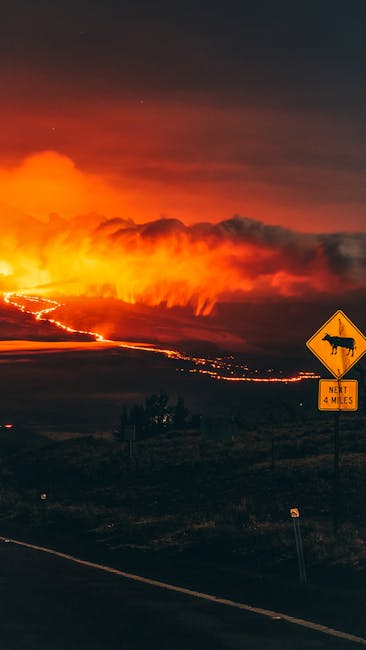
One man's blaze of glory reveals wildfires' war on our wellness.
Picture this. A bloke in his sixties, call him the deputy president of his local shire, no less, grabs his front end loader and charges into hell's own playground. West River near Ravensthorpe, a speck on the map about 450 kilometers southeast of Perth. Fast moving bushfire roaring through, devouring 300 hectares of farmland like it's late for dinner. Homes under threat, community on edge. He is trying to scrape a firebreak, that desperate ditch of dirt heroes dig to starve the flames. But the fire flips the script. His vehicle gets swallowed whole. He does not make it out. Just like that, Mark Mudie, a name now etched in tragedy, becomes another statistic in Australia's endless fire saga.
I sip my coffee, black as the charred earth left behind, and shake my head. As a health columnist who swears by science spiked with sarcasm, stories like this hit harder than a smoke filled lungful. Sure, the immediate loss stings, a life snuffed out in service to soil and shelter. But zoom out, mate, and the real killer is not just the blaze. It is the aftermath, the invisible toxins that linger like bad houseguests, wrecking havoc on bodies far from the front lines. Bushfires are not just land grabbers. They are public health assassins, stealthy and relentless.
Let us break it down, no fluff. First, the smoke. Oh, the smoke. Wildfire plumes pump out fine particles smaller than a virus, PM2.5 they call them, sneaky bastards that burrow deep into your lungs and bloodstream. One bad fire season can equal months of chain smoking for city slickers hundreds of kilometers away. Studies from down under and across the pond show spikes in emergency room visits for asthma, heart attacks, strokes. Kids wheeze, elders clutch chests. In 2019, those Black Summer horrors choked Sydney's skies, and hospital admissions for respiratory woes jumped 35 percent. Equivalent to every adult in the state puffing half a pack a day. Wild, right? And that is before we tally the cancers brewing years later.
Now, spare a thought for the fighters. Farmers like Mark, rural volunteers, paid pros. They suck in ten times the toxins of bystanders. Firefighters clock cancer rates 14 percent higher than the general mob, per Aussie research. Skin cancers from radiant heat, lung gunk from particulates, hearts strained by adrenaline and ash. Post traumatic stress disorder? Rampant. One survey found 40 percent of Victorian firies battling mental health demons after the big ones. Sleep vanishes, relationships fray, booze becomes a crutch. These are the folks we clap for from afar, then forget when the embers cool. Cheeky, is it not? We lionize them in flames, ghost them in therapy.
Communities crumble too. Ravensthorpe, small town Australia, tight knit. Lose a pillar like their shire deputy, and grief ripples. Families shattered, mates shell shocked. Then the exodus, young ones bolting for cities with cleaner air and saner risks. Rural health services, already stretched thinner than a firebreak dozer line, buckle. Mental health waitlists balloon, GPs juggle burn victims and breakdown cases. And the elderly? Trapped in aged care spots eyeing the horizon for orange glows, their frail lungs least equipped for the fight.
Here is where my inner satirist stirs the pot. Governments issue 'watch and act' warnings, as if pondering your fate over tea. Possible threat to lives and homes, they say, conditions changing. No kidding. Meanwhile, fire prone states chop hazard reduction burns for green tape or wet winters that fool no one. Climate reports scream louder each year, wildfires deadlier, faster, fueled by dried out lands and record heat. Yet policy plods, gas exports chug on, Asia's clean switch stalled by our fossil flirtations. Hypocrisy? Thick as smoke. One confidential report warns our gas guzzling risks global green goals, but shush, business first. Farmers die digging ditches while suits shuffle papers. Laugh or cry? I choose both, with a side of eye roll.
But let us not wallow. Science offers lifelines, if we grab them. Antismoke masks work wonders, N95s trapping 95 percent of those killer particles. Early warning apps, community drills, prescribed burns done right. Telehealth bridges rural gaps, virtual shrinks for fire frazzled minds. Vaccines against flu and pneumonia blunt secondary hits. And big picture, slashing emissions curbs fire ferocity. Renewables boom, trees replanted smarter. Hope flickers brighter than any flare up.
Take Geraldton, same state, recent blazes torching homes, sheds, cars. Arson probes simmer, hundreds of properties spared by sheer grit. Aged care facility in the crosshairs, elderly hearts pounding. Fireys save the day, but at what cost to their ticker? Patterns repeat, seasons savage. One wet winter lulls, then boom, fuel loads skyrocket. Experts warn unstoppable infernos loom. Ningaloo reef bleeds coral, two thirds gone silent. Fires link to floods, to feverish heat. Health web weaves wide.
Personal yarn time. Knew a nurse, bush nurse, call her Jo. Big smoke girl turned outback warrior. Black Summer, she triaged burns blistered raw, soot caked kids gasping. Came home hollow eyed, cough lingering months. 'Feels like breathing gravel,' she quipped over coffee. Gravel spiked with benzene, formaldehyde, heavy metals. Cancer cocktail, courtesy of combustion. Jo pushed vapes for firies to flush lungs, antioxidants in diet to fight free radicals. Science backed hacks, but funding? Crickets.
Stats surprise. Aussie bushfires spew more CO2 yearly than all cars combined some seasons. Smoke kills 400 odd prematurely nationwide, per models. Heart disease risk doubles post exposure. Strokes up 7 percent. Diabetics dodge worse. Pregnant mums birth tinier bubs, brains wired twitchier. Kids IQ dips from womb whiffs. Long covid of fires, they dub it. And mental toll? Suicide clusters in fire hit towns, unspoken epidemic.
Bureaucracy bait. Triple zero lines glitch in storms, firies wait while homes crisp. Funding fights flare, states bicker borders. Media milks tragedy, then moves on. Politicos pledge probes, coroners called, but prevention? Yawn. Arsonists maybe sparked this one, not suspicious they say. Sure, light a match, watch it march. But lightning, dry thunder, nah, just nature's nudge. Wink.
So, what now? Armchair experts, rise. Prep your go bags, prune your bush, vote for vision. Firies, demand gear, therapy, tenure. Docs, screen smoke survivors savvy. Me? I write, rant, rally. Laughter lubricates the lungs, they say. Chuckle at the chaos, channel to change. Mark Mudie's stand was no joke, but his spirit screams we fight smarter. Not just with loaders, but laws, labs, love for land less flammable.
Reflect. Over that cooling coffee, I see patterns. Fires forge resilience, but ravage health reserves. Rural souls, salt of earth, pay premium. Cities cough collateral. Global glance, California burns, Greece glows, Canada chokes. Climate contagion, health hemorrhage. Australia leads losses, per capita fire deaths top charts. Time to flip script. Innovate, integrate, ignite green.
One final jab. Next fire watch, skip the scroll, suit up smart. N95 on, app alert, community chat. Heroes like Mark inspire, but let us honor by outliving the odds. Health wins when we wise up. Flames fight dirty. We fight back, informed, irreverent, unbreakable.
 By George Thompson