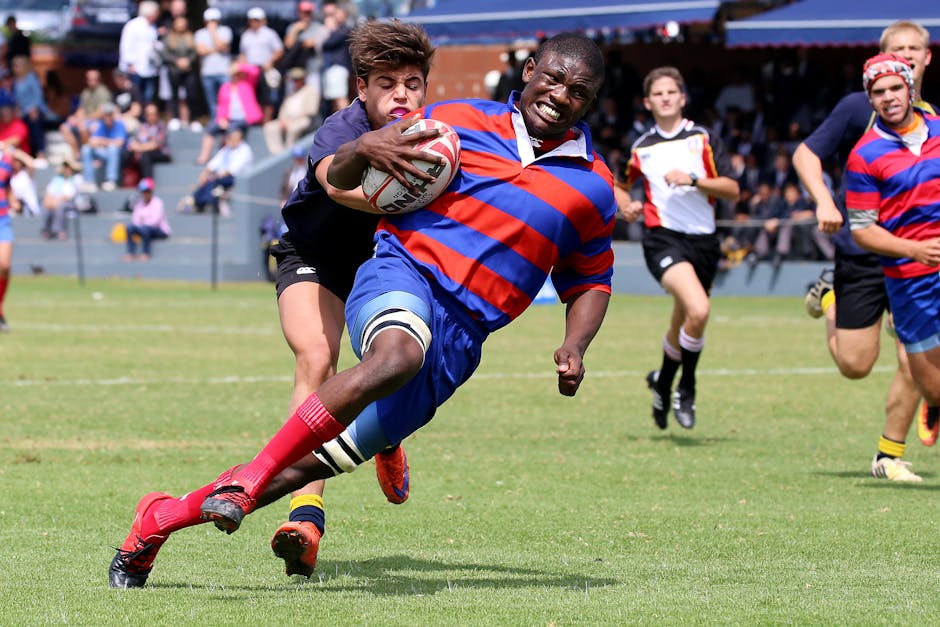
Scars on the pitch reveal deeper wounds in the game
The collision makes the highlight reels. The aftermath rarely does. When Wales hooker Liam Belcher describes losing feeling in his arm, the numbness spreading like spilled ink, we glimpse the price tag dangling from rugby's spectacle. His three neck stingers in as many weeks, the deteriorating grip strength, the medical limbo before Christmas, these aren't footnotes. They're the actual story, one the sport spends millions to sanitize.
For all the talk of Belcher's relief at captaining Cardiff again after four weeks sidelined, few dare ask why a 29 year old already requires such extensive rehabilitation. We applaud the medical teams, as we should, for patching him up in time for the Dragons clash and the Six Nations looming over February. But this reflexive celebration of resilience masks a darker calculation, rugby's open secret: player health is negotiable when trophies, television deals, and national pride are at stake.
Consider the sequence. Three stingers, a euphemism if ever rugby crafted one, accumulate during autumn Tests. Belcher presses on because international caps are currency. When Japan leaves him with a numb pinky, then tricep weakness, then diminished grip strength, the alarm bells ring just loudly enough for him to miss matches against New Zealand and South Africa. Not coincidentally, these are bruising encounters where Wales might leverage depth over preservation. The timeline doesn't suggest recklessness from Belcher, rather the opposite. He's a professional soldiering through expected wear and tear. And that's the problem.
Rugby Union’s hypocrisy hums beneath every rousing comeback story. Governing bodies fund studies on concussion protocols while expanding tournaments like the United Rugby Championship, demanding more collisions across more fixtures. They mandate head injury assessments during matches, then schedule derbies like Cardiff versus Ospreys on New Year's Day, a date notorious for fatigued players and heightened injury risk. The sport monetizes controlled violence, then acts surprised when bodies break.
Belcher's nerve issue isn't some fluke. Look at the Welsh front row depth chart. Dewi Lake, recently restored from his own injuries. Ryan Elias, no stranger to the treatment room. Brodie Coghlan, Evan Lloyd, promising talents who will endure similar attrition. Hooker may be rugby's most punishing position, a collision hub where sprints meet scrums meet lifting duties in lineouts. The average professional logs over 20 high intensity impacts per match according to a 2024 Premiership Rugby report. But repetition, not isolated big hits, causes chronic issues. Nerve compression in necks, shoulders, arms, that's the tax compound interest extracts over careers sliced into 30 game seasons.
Nobody wants arenas packed with bubble wrapped athletes. But rugby's current equilibrium leans toward carnage worship. Medical staff perform miracles within structures designed to erode their work. Steve Tandy, the Wales boss, must balance selecting his best available hooker against preserving Belcher's long term health. The Six Nations opener against England on February 7th isn't just a match, it's a ratings bonanza, a chance to rejuvenate Welsh pride after World Cup disappointment. Can anyone honestly claim player welfare outweighs those stakes in selection meetings? The answer echoes through empty press conference platitudes.
Beyond Belcher, this impacts grass roots participation. Parents watch warriors like Alun Wyn Jones, limbs taped together like modern gladiators, and wonder if weekend rugby is worth the risk. Children see heroes exiting on stretchers but rarely grasp the long term costs, the arthritis forming by 40, the nerve damage requiring midnight painkillers. Participation rates in Welsh youth rugby have dipped 14% since 2019 according to the Welsh Rugby Union’s own data. They cite screen time and competing sports, never the sight of bloodied bandages on Principality Stadium pitchs.
Solutions exist, if inconvenient. Reduce league fixtures. Mandate longer recovery between high intensity games. Enforce stricter return to play protocols for non concussion injuries, a category often rushed due to positional scarcity. But each measure threatens revenue, diminishes content for broadcasters, and risks making the sport 'softer' in the eyes of traditionalists. So we default to celebrating courage, players like Belcher gutting through adversity instead of demanding systems change.
Wales’ summer tour to Japan provided Belcher’s debut cap. It also potentially seeded his injury during less scrutinized fixtures. Test rugby expands into emerging markets, adding miles and minutes to players already stretched thin. Cardiff benefited from Belcher’s elevated profile post tour, just as Wales leveraged his form this autumn. But when weariness become injury, the responsibility blurs. Clubs and unions point at each other like divorced parents while the athlete pays tuition.
The real indictment lies in Belcher’s language. 'Scary,' he calls the nerve issue. 'Waiting game.' Imagine working in an industry where losing function in your limb is framed as occupational hazard, not grounds for work stoppage. And Belcher counts himself lucky. Four weeks recovery beats months. Others aren't so fortunate, their names forgotten by the time jerseys get reissued.
Rugby loves its warrior mythology. But myths obscure truths. Liam Belcher's return deserves acclaim for his perseverance, but demands scrutiny of the machinery that demanded such sacrifice. Until contracts include enforceable health guarantees, until schedule makers prioritize recovery over revenue, until fans wince at reckless clearance kicks as much as missed tackles, the sport traffics in borrowed time. Every comeback like Belcher's isn't a triumph, it's a receipt.
 By Tom Spencer