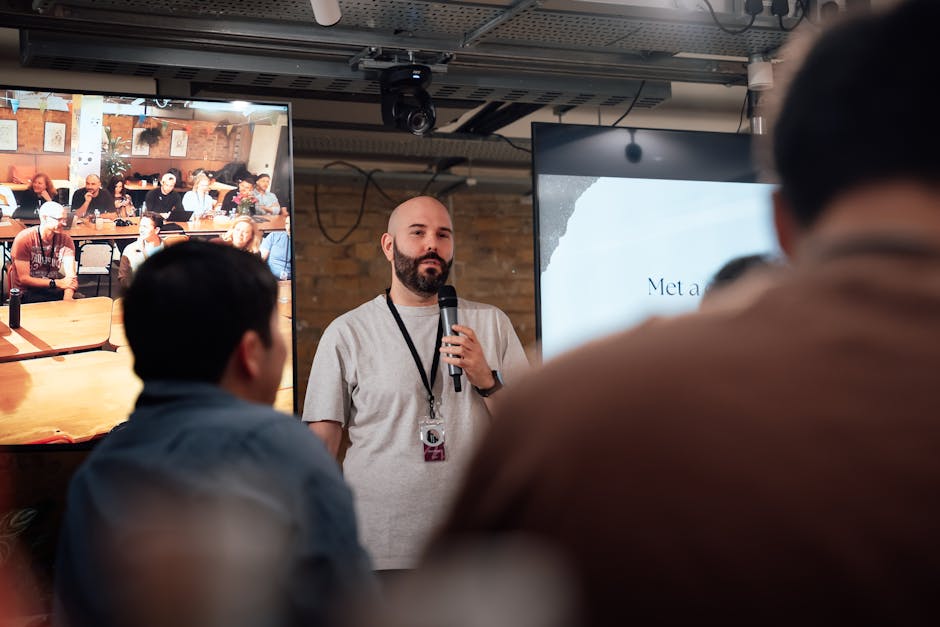
A coach stares down whispers of termination with the hesitant pride of someone who knows some fights shape careers more than scoreboards.
The air in Adelaide carries a particular scent before storms arrive, that metallic tang of atmospheric tension. It seems fitting that English cricket now finds itself here, beneath gathering clouds, with a man facing questions he never imagined answering. Brendon McCullum, the coach who transformed England's test cricket through sheer force of belief, now stares down inquiries about his job security after consecutive Ashes thrashings. There's an almost Shakespearean weight to this moment, a leader whose revolution briefly made cricket romantic again now confronting conventional wisdom's cruel arithmetic.
What strikes immediately is the quiet dignity in McCullum's approach. This isn't a man making grand proclamations or desperate pleas. When he stood before journalists recently, his words carried the steadiness of someone who's stared down storms before. That same resoluteness once convinced a fractured English dressing room they could chase targets that seemed mathematically impossible, that test cricket didn't need to be a slow death march toward draws. Now it keeps him upright while critics sharpen knives and whisper about exit strategies.
The tragedy here isn't purely about win loss records, though those numbers look grim. It's about how quickly sporting cultures abandon philosophy when adversity arrives. Remember the euphoria when Bazball first emerged? England became everyone's second favorite team overnight, playing with joyous abandon not typically associated with the game's longest format. Children started dreaming in sixes. Aging fans rediscovered wonder. Players spoke of liberation. Now, barely eighteen months later, the first whispers want to tear it all down because an aging Australian side seized early momentum. There's profound hypocrisy in how we demand innovation yet punish innovators the moment results wobble.
McCullum's background whispers throughout this drama. The son of a working-class Otago cricketer, he grew up in New Zealand's southern chill where resilience wasn't taught but lived. That childhood forged someone who sees cricket through rugby's lens, understanding collision sports require emotional armor alongside technical skill. When legendary bowler Sir Richard Hadlee pushed teenage McCullum toward cricket over rugby, perhaps he saw this rare hybrid athlete, capable of bringing collision sport intensity to gentleman's games. That upbringing now manifests as McCullum shields his players from external noise, understanding emotional safety precedes peak performance.
Human stories ripple beneath this pressure cooker. Jonny Bairstow's mother wept openly during the first Test, her anguish mirroring millions of supporters. Stuart Broad spends evenings walking Adelaide's grid streets alone, thirty seven years of living etched into each stride. Young spinners stare at hotel walls wondering if their careers might end before properly beginning. Families rearrange holidays, children miss birthdays, all orbiting this game's gravitational pull. McCullum carries their silent hopes every morning when he laces his trainers for predawn runs, the only moments of solitude left in this maelstrom.
The coach player dynamic here proves fascinating. Ben Stokes, England's wounded warrior captain, shares McCullum's refusal to yield ground mentally. Their partnership thrived on mutual stubbornness, believing aggression could overcome any deficit. Yet watching Stokes recently, one detects subtle shifts. His shoulders tighten between overs, eyes lingering fractionally longer on replay screens. The physical toll of carrying England's hopes seeps into every movement. McCullum's greatest challenge now isn't tactics but keeping Stokes believing the vision remains attainable, that dawn still lurks beyond this darkness.
Cricket historians might trace this moment back further than most realize. When England last triumphed in Australia during 2010-11, Andrew Strauss's team embodied ruthless efficiency rather than explosive flair. That squad ground opponents into dust through relentless discipline. McCullum's approach inverted that entirely, prioritizing psychological dominance over technical perfection. The tension between these philosophies now plays out in real time, traditionalists nodding sagely while revolutionaries whisper about small sample sizes and bad luck.
What gets lost in result obsessed analysis is the human growth occurring behind scoreboards. Young Ollie Pope recently confided to teammates how McCullum's belief helped him overcome technical flaws that haunted previous coaches. Zak Crawley plays with freedom inherited directly from his coach's philosophy. Even veterans like Joe Root rediscovered joy through the Bazball approach. Should these intangible developments mean nothing because two matches went sideways against Australia's golden generation?
McCullum's media appearance revealed telling nuances. He spoke about concentrating team messaging during tough periods while handing spotlight to players during triumphs. There's leadership maturity here we rarely acknowledge in sports figures. Modern coaches typically clamor for credit during victories while disappearing during defeats. McCullum reverses that dynamic, shouldering blame publicly while redirecting praise toward his squad. That emotional intelligence cannot be quantified but undoubtedly impacts dressing room culture.
Australia's role here deserves examination. Their media engages in gleeful schadenfreude whenever England stumbles, framing Bazball as hubris before inevitable downfall. Yet privately, several Australian players confess admiration for England's approach, wishing they felt licensed to play with similar freedom. Cricket Australia's high performance system prioritizes risk aversion, creating technically excellent robots who win relentlessly but rarely quicken pulses. England's willingness to trade some wins for cultural transformation threatens that entire philosophy, explaining Australia's desperate need to discredit their revolution.
Financial pressures tighten every screw. Broadcast deals worth billions hinge on maintaining public interest through competitive series. As Australia races toward early Ashes retention, television executives nervously recalculate audience projections. This context makes the ECB's potential dilemma more understandable, if no less disappointing. Removing McCullum might temporarily appease sponsors and headline writers, ensuring continuity becomes sporting's most elusive luxury.
One imagines the late Shane Warne observing this drama with trademark cheek. Warne understood better than anyone how cricket's soul thrives on personalities and panache. His 2005 Ashes duel with Andrew Flintoff transcended statistics precisely because both men embraced theater alongside competition. McCullum channels similar spirit, recognizing cricket needs characters and counter punches to survive among faster paced rivals. Dismissing him risks returning England to soulless efficiency, winning occasional matches while losing imagination's war.
The Adelaide Test now becomes about more than runs and wickets. It becomes a referendum on what fans truly want from elite sport. Instant gratification through short term results, or patient cultivation of something potentially transcendent? Will we celebrate pioneers or only victors? Sport needs its McCullums as much as its trophies, leaders willing to risk ridicule by chasing evolution. Whatever this week's result, the echoes from this moment will linger long after scorecards yellow.
McCullum himself seems quietly at peace with either outcome. When asked about his future, he deflects toward maximizing present opportunities. There's dignity in that focus, similar to watching a sailor repair sails mid storm rather than debating potential shipwrecks. His legacy may ultimately reside not in win percentages but in shifting cricket's emotional axis, reminding players and fans alike that courage comes in many forms. Sometimes just standing firm when gales howl represents the bravest play of all.
 By Oliver Grant