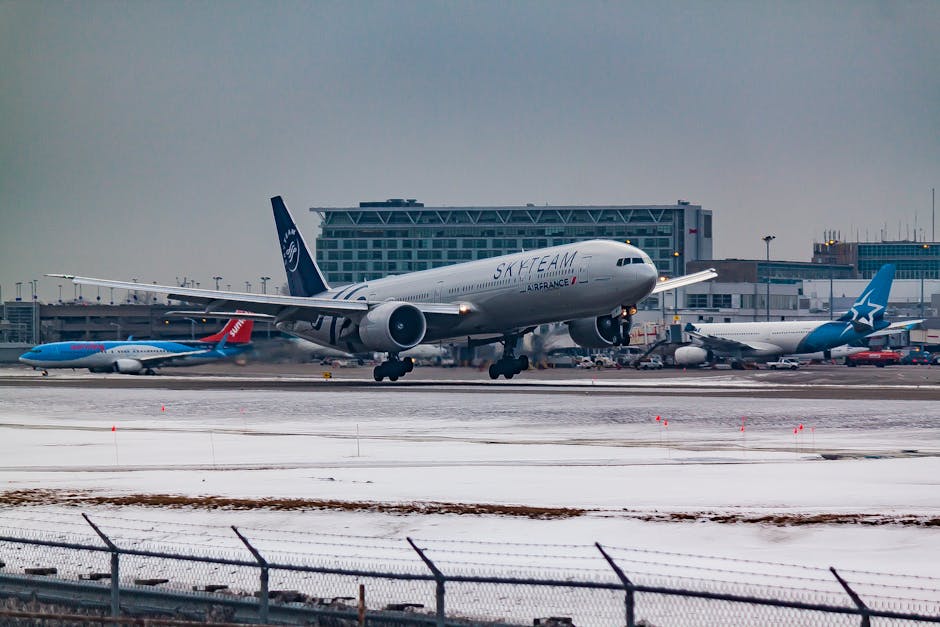
Monopoly power meets passenger pain at Heathrow's toll booth of aviation economics.
Let’s start with a simple truth: monopolies love a captive audience. And what better captive audience exists than travellers trapped in an airport, queuing for overpriced sandwiches while being nickel and dimed by an entity that knows full well they have no viable alternatives? Heathrow’s latest gambit, a proposed 17% increase in landing fees, is less about ‘investment in infrastructure’ and more about testing how far it can flex its monopolistic muscles before regulators or public outrage intervene.
The airport’s justification for this hike is textbook corporate theatre. We’re told the additional £33.26 per passenger (up from £28.46) will fund a glittering £10bn expansion plan. More lounges, more retail space, more capacity, they say. All very noble, if one ignores the fact that Heathrow already holds the dubious honour of being the world’s most expensive airport. One might argue that squeezing passengers further is like charging homeowners extra because their mortgage lender wants a gold-plated office building.
What’s particularly rich is Heathrow’s claim that these charges are ‘lower in real terms than a decade ago.’ This is the financial equivalent of telling someone being charged £10 for a pint that it’s actually a bargain because inflation-adjusted beer prices in 1950 were higher. The airlines aren’t buying it. International Airlines Group, parent company of British Airways, calls the hike ‘excessive,’ and they’re absolutely right. Virgin Atlantic’s dig about Heathrow’s ‘monopoly power’ hits the nail squarely on the head. When you’re the only game in town, ‘value for money’ becomes whatever you can get away with.
The regulatory backdrop to this farce is equally telling. Just two years ago, the UK competition watchdog ordered Heathrow to cut fees by nearly 20%. That the airport is now attempting a 17% increase suggests either astonishing amnesia or calculated bet that regulators lack the teeth to stop them. Given that the Civil Aviation Authority seems to treat Heathrow’s submissions with the reverence normally reserved for holy texts, I know where my money’s leaning.
Hidden beneath the headlines are three uncomfortable truths rarely discussed:
First, the ‘passenger experience improvements’ Heathrow promises are largely cosmetic upgrades designed to extract more money from travellers through duty-free shops and premium lounges. This isn’t investment in essential infrastructure, it’s commercial real estate masquerading as public service.
Second, the proposed third runway, now enthusiastically backed by Labour, exists in a financial fantasy land where somehow these fees won’t contribute to its construction. The notion that an entirely separate funding mechanism will magically appear is either wishful thinking or deliberate obfuscation.
Third, while Heathrow boasts about becoming ‘Europe’s most punctual major airport,’ they fail to mention that reliability improves dramatically when you cancel half your flights during operational crunches. This tactic, perfected during the post-pandemic travel chaos, conveniently lowers the denominator against which delays are measured.
The human impact here extends beyond frustrated holidaymakers. Every additional pound in airport fees ultimately translates into higher airfares, pricing out budget travellers while padding shareholder returns. Heathrow’s ownership structure, including French private equity group Ardian, reveals where these fees truly flow.
As always, the real question isn’t whether Heathrow can justify these charges, but why we tolerate economic structures where essential transportation hubs operate as profit-maximising monopolies rather than public utilities. The answer, as ever in modern Britain, involves the triumph of financial engineering over common sense.
 By Edward Clarke