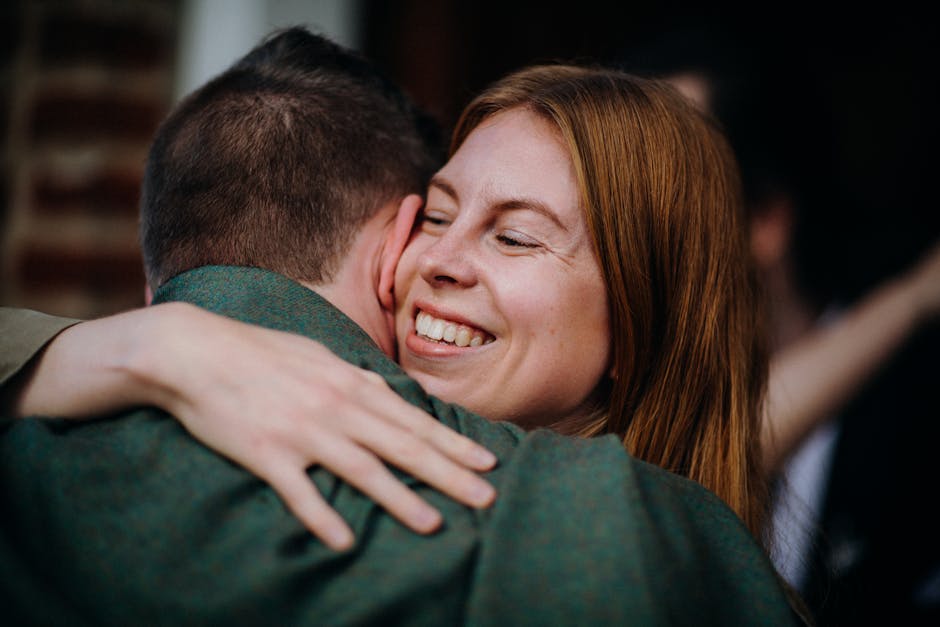
When life off screen becomes more compelling than the manufactured drama
One of the most quietly revolutionary moments in recent reality television history occurred not in the Australian jungle, but on a rainy London pavement where Jess Glynne awaited her partner's return. When footballer turned broadcaster Alex Scott became the first contestant eliminated from this year's I'm A Celebrity, her decision to immediately fly home rather than remain at the luxury resort typically required of ousted cast members spoke volumes about the growing tension between manufactured entertainment and authentic human experience.
Scott's early departure to support Glynne during her mother's health crisis transcends typical celebrity gossip. The moment reflects a cultural shift in how public figures navigate private trauma within the unforgiving glare of reality television production. Reality programming has long treated personal struggle as narrative fuel, dating back to MTV's The Real World pioneering the confessional cam in the 1990s. Yet this situation reveals how participants are increasingly asserting boundaries around what constitutes fair game for entertainment.
The timing proves particularly poignant considering I'm A Celebrity's historical struggles with LGBTQ representation. When the show launched in 2002, openly gay contestant Rhona Cameron faced both jungle challenges and production decisions that isolated her experience from the group. Contrast this with ITV's handling of Scott's relationship. While undoubtedly improved, the network still faced criticism from viewers who noted limited acknowledgment of her relationship with Glynne during broadcast segments. This seems particularly notable given that approximately 17% of UK reality TV viewers identify as LGBTQ according to a recent YouGov poll, making them one of the format's most dedicated demographics.
Scott's choice echoes similar reality TV crossroads faced by figures like Love Island's Zara McDermott, who left the 2018 series following a family bereavement, or Made in Chelsea star Sam Thompson who took breaks from filming to manage ADHD symptoms. What makes this instance unique rests in the public solidarity displayed. Glynne's social media tribute to her partner bypassed traditional media channels, using Instagram to declare 'Forever a winner' alongside images of friends wearing customized support t shirts.
The music industry powerhouse known for hits like Rather Be has navigated her own career challenges while supporting her partner. Glynne's 2019 decision to cancel tour dates citing mental health strain now reads as contextual precedent for honoring personal wellness. Her handling of this private crisis while Scott was sequestered in the jungle shows how modern celebrities increasingly operate outside traditional publicity structures, particularly in the LGBTQ community where fan engagement often happens through more direct digital channels.
Production companies face difficult decisions when real world crises intersect with filmed entertainment. Industry protocols around such situations remain largely opaque, though production insiders suggest most networks maintain discretionary emergency leave policies. A 2023 Edinburgh TV Festival panel revealed that approximately 68% of UK reality shows now include mental health professionals during filming. Yet no amount of professional support can fully insulate participants from situations like Scott faced, torn between contractual obligations and family needs.
Reality television often distills complex lives into digestible narratives. Scott reportedly received limited screen time according to her partner. This editing choice raises questions about why certain human experiences get privileged in the final cut. During its peak COVID era filming, I'm A Celebrity producers expertly balanced isolation bubbles with dramatic tension. The current series handling of Scott's situation seems comparatively flat footed when contrasted with 2021 contestant Richard Madeley's removal after breaking quarantine protocols. That incident received wall to wall coverage despite being far less consequential than a genuine family health emergency.
For LGBTQ viewers, seeing a same sex couple navigate this public challenge without sensationalism marks progress. Compare this to the early 2000s when shows like Big Brother treated queer relationships as either punchlines or educational opportunities. Glynne and Scott's visible partnership exists in a post Section 28 landscape where diversity has moved, however unevenly, toward normalization rather than novelty. Their handling of this crisis demonstrates what TED Talk favorite Brené Brown might call 'strong back, soft front' leadership, modeling vulnerability without victimhood.
The public response proves equally revealing. Fan forums brim with supportive messages praising Scott's priorities over her 72,000 Instagram comments. This organic reaction contrasts sharply with the manufactured outrage cycles typically driving reality TV discourse. Perhaps audiences crave authenticity after years of influencer culture's curated perfection. Recent Nielsen data shows UK viewership for unscripted dramas with genuine emotional stakes grew 22% faster than traditional formats last year.
Scott's jungle journey began with viewers seeing her exchange jerseys with fellow sports star Sam Quek, a nod to her groundbreaking football career. It ended not with a shower of celebrity gossip headlines, but with quiet determination to be present for her partner. The defiant normalcy of this choice tells us more about modern fame than any contrived bushtucker trial ever could. These women remind us that beneath the makeup free jungle shots and staged interview reunions, even celebrities confront universal struggles between duty and devotion.
Reality television often feels like a hall of mirrors reflecting our best and worst impulses back at us. In this case, the most compelling story developed outside the jungle boundaries, teaching producers and audiences alike that some human experiences resist editing. As streaming services increasingly favor authentic storytelling over manufactured drama, perhaps Scott and Glynne's handling of this challenge signals where unscripted entertainment must evolve next.
 By James Peterson