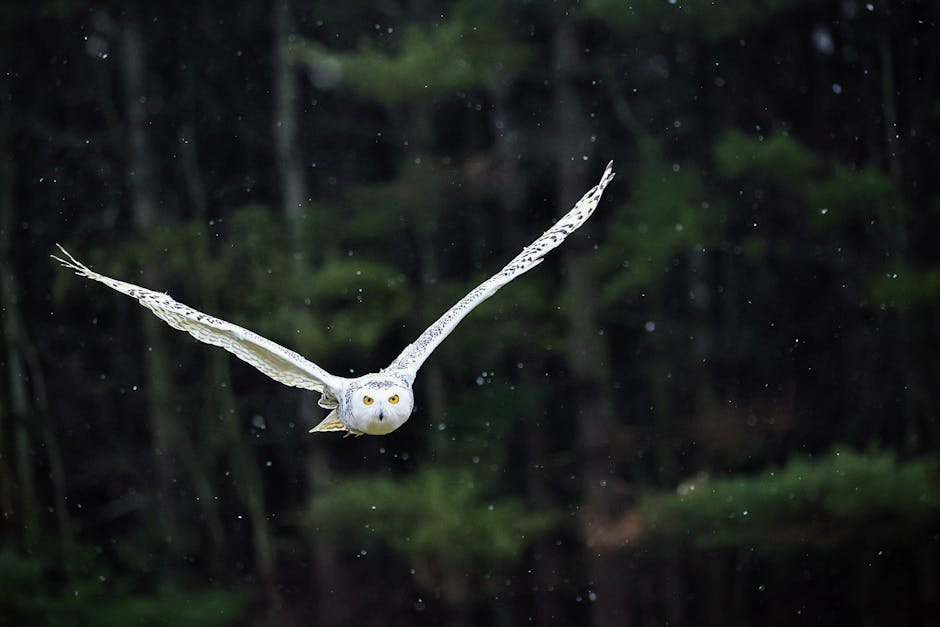
Meet the absurdly camouflaged bird thats part rocket, part wetland warrior
Imagine stumbling through a marsh so waterlogged your boots make sounds like a toddler squeezing a bath toy. Each step threatens to swallow your footwear whole, transforming an afternoon stroll into an absurdist comedy about human versus mud. Now meet the feathered comedian thriving in this squelchy chaos, the snipe, nature's answer to living slapstick.
This well dressed wetland dweller wears earth toned plumage so effective it could hide in a pantry full of lentils. When undisturbed, snipe vanish into winter landscapes like socks lost in laundry. But step too close and ka pow, the bird transforms into a feathered rocket, bursting upward with indignation while sounding like a kazoo played by an angry goose. Its an exit strategy so dramatic it makes Hollywood stunt doubles look lazy.
Contrary to most winter survival strategies involving hibernation or tropical migrations, snipe embrace bog season with gusto. Their secret lies in an evolutionary resume boasting specialized tools. That improbably long beak functions as both protein detector and chisel, sensing worm vibrations through muddy soils before spearing down like a harpoon wielded by a gourmet. Flexible beak tips allow grabby movements underground, like chopsticks operated by a noodle obsessed raccoon.
But why celebrate something as mucky as winter wetlands beyond their entertainment value as bird trampolines? These soaking ecosystems serve as planetary multitaskers. Their spongy soils filter water better than any Brita pitcher, store carbon more effectively than concrete vaults, and prevent floods like nature's memory foam mattress. Healthy bogs slowly decompose plant matter over millennia, locking away greenhouse gases rather than releasing them.
Humanity often dismisses soggy landscapes as wastelands waiting for drain tiles and parking lots. Farmers historically received subsidies for converting wetlands into crop lands, unaware they were effectively opening nature's carbon vaults. Similar myopia led developers to pave over marshes only to wonder why neighborhoods flooded annually like clockwork. We treated wetlands like boring background characters in Earth's drama, missing their starring role in climate regulation.
Herein lies an irony as rich as bog sediment, wetland ecosystem restoration has become serious climate tech with surprising benefits. Rewetting drained peatlands could reduce global greenhouse emissions by 800 million metric tons annually, basically the environmental equivalent of grounding every dirty cargo ship simultaneously. Even better, revived bogs self maintain their carbon storage, unlike complex industrial solutions requiring titanium widgets and teams of engineers.
Returning snipe populations act as feathery progress reports for wetland revival efforts. Their presence signals functional muck, the ecological equivalent of a five star Yelp review for mud based real estate. Conservationists now recognize these formerly dismissed bounce birds as indicator species, their zigzag flights tracing the health of watersheds.
Progress happens in unexpected ways. Small scale bog restoration projects led by birdwatchers and farmers demonstrate how carbon storage aligns with agricultural benefits. Healthy wetlands retain water during droughts and buffer floods, protecting livestock and crops. Rewetting just the edges of fields creates snipe habitat while reducing fertilizer runoff. Flip on any nature documentary and you'll likely hear doom scrolling violins, but the smaller stories hum with ingenuity.
Consider the farmer who stopped fighting muddy pastures and leaned into squelch based tourism. Converting marginal fields into snipe friendly wetlands created paid photography blinds earning more per acre than turnips. Or Dutch engineers combining flood control with bird habitats using self regulating water gates that welcome wading birds as engineers tend to welcome complex moving parts. Even cities along flooded coastlines now build elevated walkways through tidal marshes rather than walling them off, letting residents observe snipe antics while commuting.
Yes, wetlands still smell faintly of rotting cabbage on warm days. Sure, your shoes will never forgive you. But the next time a bird detonates skywards from your bootprint like feathered confetti, remember this jumpy neighbor connects to planetary systems vaster than city skylines. Their muddy homes filter our water, store our excess carbon, and flood proof our basements, all while putting on aerial shows rivalling fireworks.
Maybe humanity needs more mud between its toes. Not as romantic as mountain vistas perhaps, but far more essential. Snipe demonstrate how embracing inconvenient ecosystems rather than conquering them might be our wisest path forward. Besides, any landscape that attaches rockets to your footwear can't be all bad.
 By Nancy Reynolds