In the shadowed hollows where Friday night lights burn brightest, a football team plays on without answers.
The autumn hills of Appalachia cradle small towns like weathered hands holding something fragile. In these close knit communities, high school football isn't mere entertainment. It's shared breath, collective heartbeat, generational glue binding families through decades of Friday night rituals. So when a coach disappears into those ancient mountains one cold November afternoon, pursued not by hunting dogs but by felony warrants, it fractures more than just a team's playbook. It shatters the fundamental trust between a town and its keepers of young men's dreams.
Travis Turner's story would read like Appalachian gothic fiction if it weren't so painfully real. For years, he stood on sidelines mentoring teenagers, teaching physical education, shaping young lives in a Virginia community where such roles carry near sacred weight. Then came November's chilling pivot. Authorities prepared child pornography charges. The coach vanished. And the players he'd supposedly built into champions did something remarkable. They kept winning. Victory after victory, postseason marching onward, all while their alleged mentor became the subject of manhunts, wilderness searches, and national headlines.
We've seen this grim playbook before in sports, though never loses its power to sicken. The trusted figure whose public persona collapses under private depravity. The institutions that missed warning signs. The children doubly victimized, first by abuse then by bureaucracy's failures. What makes this case twist deeper is Turner's disappearance into those mist shrouded woods, leaving no cathartic courtroom confrontation, no satisfying resolution. Just a gaping hole where accountability should be.
The sports world has grappled with predator coaches before, from the monstrous gymnastics doctor Larry Nassar to Penn State's enabling hierarchy protecting Jerry Sandusky. But small towns face unique horrors when scandal hits. There's no buffer of anonymity. The grocery store clerk who sold Turner fishing gear last summer now wonders what slipped past her. The parent who carpooled players considers every locker room joke in haunting new light. Even Turner's own children face impossible reckonings, their father simultaneously missing and monstrous.
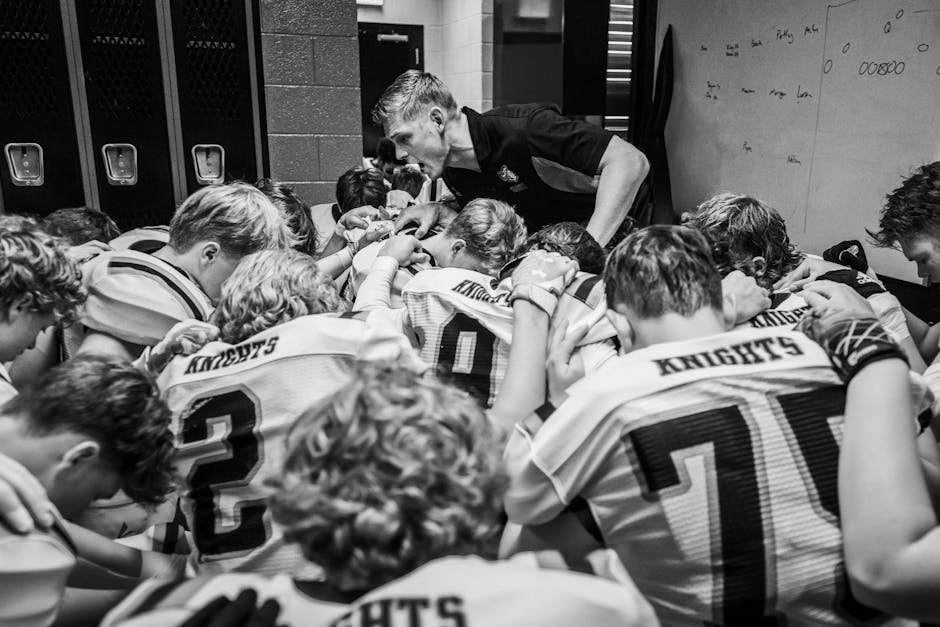
Yet against this maelstrom stands the Union High football team. Their unbroken winning streak feels like defiance, but look closer. Teenage boys blocking out trauma with regimented routine. Coaches keeping drills unchanged to provide stability. Communities rallying around players precisely because they can't yet process their anger toward the man who taught those same boys proper blocking technique. Sports becomes both lifeline and distraction, comfort and avoidance. Seventy yards of neatly lined turf becomes the one place where consequences feel orderly.
Consider the impossible weight these young athletes carry. They've been handed conflicting truths about someone who shaped their adolescence. How does a 17 year old linebacker square cherished memories of late film sessions with news headlines about solicitation charges. Some will compartmentalize, lock away cognitive dissonance beneath pads and play calls. Others might internalize shame as self blame, wondering if they should've noticed something. All are learning too young that hero worship risks disillusionment.
Meanwhile, practical questions hang like Appalachian fog. How did Turner's alleged activities evade detection. Were there whispers dismissed as gossip. Did the gridiron's glory blind people to darker possibilities. Small town sports programs often operate with familial informality, volunteers handling sensitive roles without proper vetting. Digital age dangers compound this; the same computer Turner allegedly used to solicit minors likely also held game footage for player review. Technology collapses boundaries between mentorship and predation.
Historical parallels offer bleak perspective. Twenty years ago, another football power, Colorado University, faced scandal when investigators found sexual assaults by players intertwined with recruiting parties arranged by staff. The takeaway wasn't about a few bad apples, but systemic rot in how athletics prioritized wins over welfare. More recently, Ohio State's wrestling team revealed decades of ignored abuse. Each scandal follows a pattern. Outsized reverence for sports figures creates environments where oversight relaxes and myths of inherent virtue persist.
Turner's disappearance adds a lurid twist. His wife reported him missing before charges became public. He left behind essentials like medication and glasses, suggesting unprepared flight. Then came five days later, when authorities announced warrants. The sinister timing invites speculation. Did Turner have inside knowledge of the investigation. Some legal experts note child pornography cases often unfold slowly, with digital trails painstakingly compiled. Did something spook him prematurely.
The human aftermath reveals fractures. Turner's family maintains they knew nothing of alleged crimes, cooperating fully with searches. Yet they face public suspicion by association. Meanwhile, players' parents wrestle with guilt over welcoming this man into homes for team dinners. Neighbors recall pleasant exchanges now tainted by hindsight's harsh glare. Even opposing teams feel unease. Was their handshake with Turner after last year's rivalry game contact with something monstrous.
Sports psychology suggests these young athletes will carry this season's trauma long after cleats gather dust. Dr. Stephen Can, who studied athletes abused by Nassar, notes the particular damage when perpetrators double as performance gatekeepers. Kids conflate athletic achievement with moral protection, assuming success inoculates against predation. Worse, they often blame themselves for not recognizing danger. Coaches across Appalachia now face tougher conversations in locker rooms once considered sanctuaries.
Union High's continued gridiron success presents uncomfortable optics. Some pundits argue continuing the season normalizes trauma. Others counter that canceling games punishes innocent players. The nuanced truth likely lies between. These games provide structure during chaos, yes. But celebratory headlines about overcoming adversity risk glossing over institutional failures that enabled Turner's access. Victory doesn't negate victims' pain.
The deeper tragedy is how familiar this script feels across sports history. From Olympic committees ignoring abuse to Catholic school leagues transferring predator priests between parishes, institutions repeatedly choose reputation over protection. Youth sports prove particularly vulnerable. Volunteer driven programs often lack resources for background checks beyond cursory databases. Well meaning parents hesitate to question charismatic coaches winning games for their kids.
Perhaps what stings most is the geographic context. Appalachian towns already battle harmful stereotypes about backwardness and insularity. This scandal reinforces outsiders' worst assumptions, overshadowing generations of community mentoring. Local coaches who do things right now face suspicion by proximity, their honest labor overshadowed by one man's alleged crimes. The region's proud football traditions become reduced to true crime fodder.
So where does this leave us as sports fans. Maybe with harder questions about our complicity in hero worship culture. When we put winning above all else, create demi gods of men because they diagram clever punt returns, we enable environments where predation hides in plain sight. There's also the uncomfortable reality that nearly every community has its Travis Turner, someone whose public goodwill masked private ruin. They're not monsters from elsewhere. They're people we praised at booster banquets.
As search teams scour Appalachian hollows with drones and dogs, one hopes for resolution. Not vengeance, but clarity. Teenagers Turner coached deserve to know whether their mentor was misunderstood or monstrous. His family deserves closure however painful. And the broader sports world needs another cautionary tale about vigilance. Friday night lights still shine over Union High, but their glow feels colder now, illuminating uncomfortable truths about who we trust with our children's hearts.
 By William Brooks