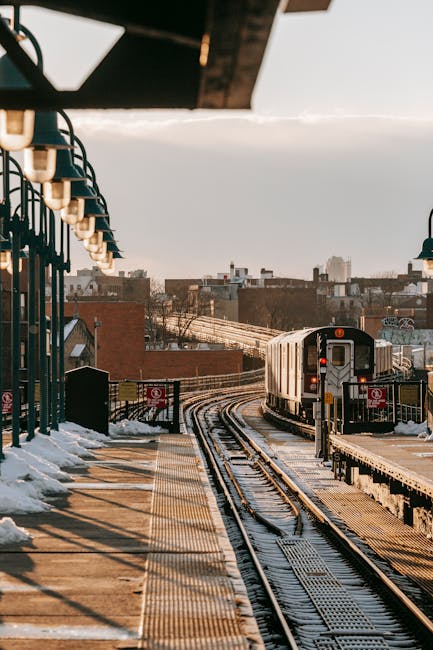
Bitter winds reveal colder truths about our warming world.
Nothing sharpens the mind quite like seeing your own breath indoors. This week's plunge into single digit temperatures offers more than numb fingers. It hands us a frozen mirror reflecting modern civilization's persistent blind spots.
Consider the cosmic joke first. Human activity steadily warms the planet, yet entire regions still periodically resemble Jack London novels. The irony tastes especially bitter when you realize this aligns perfectly with climate models few bothered to read. Warmer air holds more moisture. More moisture means heavier snow when cold air swoops down. Physics, ever the prankster, plays the long game.
Meteorologists saw this coming days out. Satellites tracked the cold front like surgeons monitoring a scalpel. Supercomputers crunched numbers with dutiful precision. Yet here we stand scraping windshields with credit cards, proving technology only illuminates problems it doesn't automatically fix. Forecasting has advanced light years since the dark ages of wool tied to sticks. Our collective response to forecasts remains stubbornly medieval.
The human toll escapes neat metrics. Emergency rooms brace for slips and falls and hypothermia cases. Construction crews work gloved hands raw. Delivery drivers play Tetris with black ice and deadlines. Schools close, parents scramble, pipes burst with dramatic flair. Each ping of a phone alert carries economic ripples from lost productivity to spiked energy bills. We measure temperatures to the decimal, but the cost of frostbite on society's joints stays curiously absent from spreadsheets.
Hidden beneath the weather alerts lies uncomfortable truth. Infrastructure built for last century's climate wheezes under new extremes. Road treatments effective at twenty degrees fail spectacularly at five. Power grids hum anxiously as heaters crank to eleven. Homes insulated for gentle winters leak heat like philosophical arguments leak logic. Adaptation budgets somehow always melt away before the next fiscal thaw.
Corporate meteorology now rivals military technology, yet public communication remains stuck between clickbait and incomprehensible graphs. Few institutions explain why your face hurts when wind blows hard. Even fewer connect the indoor discomfort to oceanic patterns or polar vortex behavior. This knowledge gap isn't harmless. When people understand mechanisms, they prepare better. When they grasp climate connections, they vote smarter. Instead we get breathless reports about snowpocalypse.
The greater surprise isn't owning three scarves in sudden rotation. It's discovering how thin the veneer of climate control remains. Central heating ranks among humanity's greatest achievements, yet its collapse leaves us one snapped power line from huddling in cars. Modern homes brim with smart devices helpless against dumb cold. That voice activated assistant can't light a kerosene heater, but it will happily order you frostbite cream if asked nicely.
Solutions shimmer faintly on the horizon, visible to those willing to squint. Building codes must embrace climate uncertainty insulation isn't a luxury. Emergency plans need teeth beyond press conferences. Energy grids require winterization not as an optional upgrade but a survival trait. Most critically, public science literacy demands investment equivalent to airport security theater. Understanding dew point should carry equal weight with knowing the Kardashian rotation schedule.
As warmth inevitably returns Mid Atlantic thermometers poke gentle fun at our drama. Temperatures climb, though last week's salt stains linger on boots like faded battle ribbons. Here lies the teachable moment in slush form. Every extreme weather event serves double duty as stress test and crystal ball. Failures in logistics or communication now outline risks looming larger in future decades. The cold doesn't care about policy debates, but it will certainly influence their outcomes.
Science gifted us early warnings. Society must now bridge the gap between knowing the storm's path and securing the shutters. Otherwise we're just expensive meat thermometers, registering discomfort without changing course. The forecast calls for intellectual thawing followed by sustained action. Pack accordingly.
 By Tracey Curl