Nature's throwing curveballs, and scientists are finally hitting back
Okay friends, buckle up. 2025 just dropped some science news that makes me want to simultaneously high five every researcher on Earth and also question everything I learned in high school biology. Grab your coffee (or emergency antacid), because this year's discoveries are the delightful lovechild of a nature documentary and a late night infomercial. But wait, there's more!
First up, let's talk mosquito romance. Scientists finally figured out why those bloodsucking jerks are so good at making more bloodsucking jerks against our wishes. Turns out female mosquitoes aren't just passive participants in the mating game. Nope. They're basically running the whole show with a subtle but deadly Hadouken move involving their genital tips. Yes, you read that right. We now have high speed footage of mosquito genital tips throwing shapes faster than a TikTok influencer doing the Renegade. If the lady mosquito feels the vibe, she extends her special little elbow, granting consent. If not? Well, dude mosquito might as well try convincing a brick wall to slow dance. This is revolutionary because one, it confirms female mosquitoes are the ultimate girl bosses, and two, it might help us crash their baby making rave parties to stop dengue fever. Nature, you cold hearted genius.
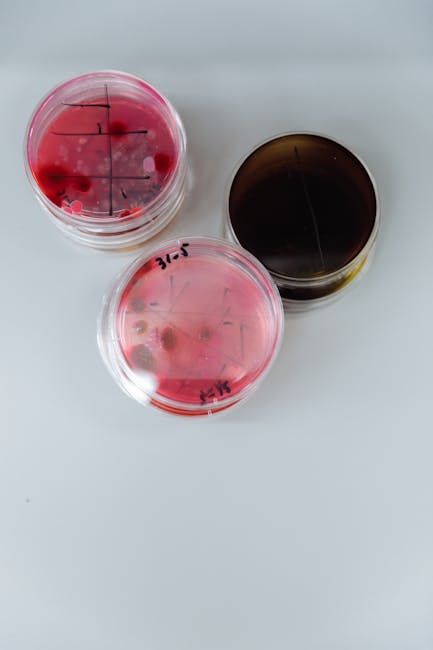
Speaking of dirt (stay with me), soil just became WAY more interesting than that pile collecting dust bunnies under your couch. Scientists cracked open bacteria we couldn't even grow in petri dishes before, like unlocking the VIP section of Club Microbe. And just like a dive bar, these antisocial germs have SECRETS. We're talking antibiotic gold, people. The kind that could build an arsenal against superbugs currently side eyeing our feeble penicillin attempts. Get this, two antibiotic influencers are already strutting down the medical runway from dirt DNA. Never thought I'd say this, but can I get that bacteria's autograph?
Now, let's get emotional. A brilliant researcher named Hudspeth spent TWO DECADES convincing gerbil ears to sing for science after they died. Picture this, tiny ear slivers jamming out like microscopic concert halls. That persistence uncovered how our hearing sharpens sounds (spoiler: tiny hairs do breakdancing) and why we lose hearing when the party in our ears starts winding down. This man literally built a gerbil ear jukebox from beyond the grave. Science, man. It's metal.
Then, plot twist, antioxidants might be playing for the wrong team. Yeah, those health juice superheroes we cram into smoothies? Turns out they moonlight as cancer cell Uber drivers. Breast cancer cells smuggling antioxidant glutathione into their mitochondria (think: tiny corporate offices in cells) like contraband snacks so they can survive road trips to your lungs. Block that smuggling route? Cancer's fancy new lung vacation home gets abruptly canceled. Science is currently creating the ultimate bouncer to kick glutathione out of mitochondria's club. Cheers to that.
And finally, immunotherapy. Oh, sweet chaotic immunotherapy. For years it's been that promising but awkward teenager at the cancer fighting dance. Especially CD40 antibodies, which were basically hugging cancer cells politely while screaming KILL ME KILL ME inside. But 2025 might finally be their glow up. Researchers are Frankenstein-ing better versions (google recombinase if you want nightmares about DNA origami) to make cancer cells so visible your immune system spots them faster than influencer drama. We're talking potential game changer status. Wear your nice shoes to this dance, cancer cells. You're about to get stepped on.
So what's the takeaway? Nature is weirder than a raccoon doing your taxes. We're still clueless about, say, 99% of soil bacteria. Mosquito mating has more drama than reality TV. And cancer cells? Absolute cheaters. But every year, science picks another lock in evolution's haunted mansion. Is there a cure for hearing loss in that creepy attic? Do Odin's ravens know more than they're telling? Only time will tell. Now excuse me while I apologize to my houseplants for doubting soil's greatness.
 By Georgia Blake