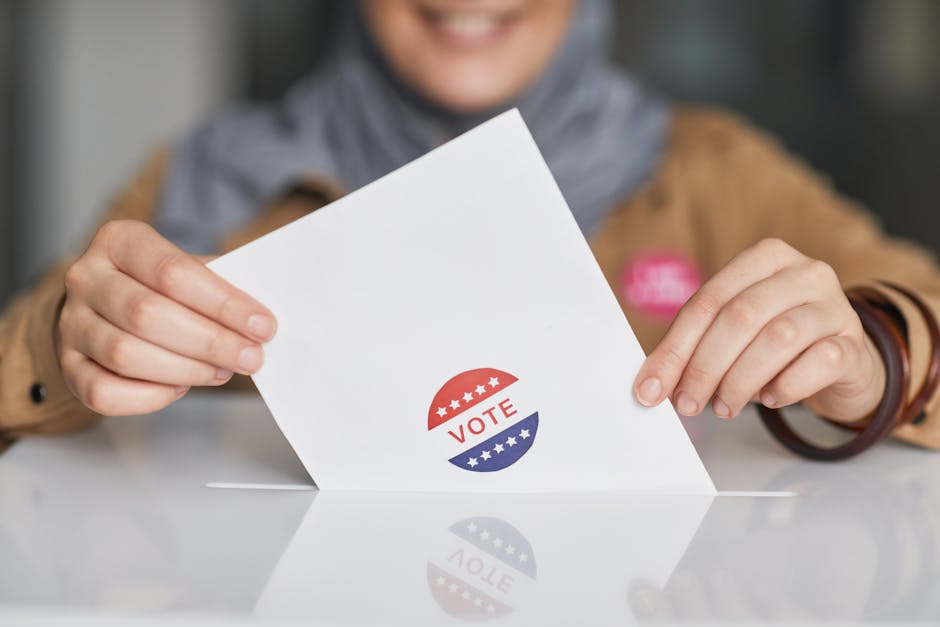
When ballot boxes echo louder than votes, Hong Kong asks hard questions about political participation.
Ah, Hong Kong lah. This city never fails to keep political observers on their toes. Just finished their Legislative Council elections, you know, and guess what happened. Second lowest turnout in history. Think about that for a second. In a place known for passionate protests and fiery political debates, now we see polling stations quieter than a library during exam week.
Let me tell you something. These numbers aren't just statistics on some government spreadsheet. They're like tea leaves in a kopitiam cup. The official line says it's all about patriotic governance and stability since the National Security Law came in. But walk around Central district or hop over to Mong Kok, the mood feels more complex than that.
Actually, three reasons explain this situation better than any propaganda leaflet. First lah, protest fatigue. After years of marching and shouting, some people just tired already. Second, the new election rules changed the game completely whether we like it or not. And third, this quiet thing no one wants to say out loud, aiyoh. Some citizens voting with their feet by not voting at all. Silent protest or genuine apathy. Only they know.
Look at Indonesia and Malaysia lah. When voter turnout drops there, people immediately ask hard questions about political legitimacy. But in Hong Kong, the situation got extra layers like a kaya toast. People remember 2019. People remember Umbrella Movement. Now suddenly so peaceful. Too peaceful. Makes you wonder, is everyone really content or just keeping their heads down.
The human impact here is very real. Workers worry if lawmakers truly represent their interests. Investors watch closely because political stability affects their portfolios. Mainland China observers study this like hawks, wondering how their own systems might evolve. Even Singapore pays attention, because we all have stakes in this region's political health.
Here's what people miss when they only look at the low numbers. Voting isn't the only way to be politically engaged. In Thailand, citizens shifted to social activism when elections felt compromised. In Taiwan, they use consumer choices as political statements. Hong Kong might be inventing its own version of quiet participation under new constraints.
The positive take. Maybe this voter dip isn't permanent. Maybe it represents Hong Kong people adjusting to new political realities while preserving their civic spirit in different forms. Remember Singapore's own journey. Our elections also had low turnouts during certain periods before finding new equilibrium.
What matters now is whether Hong Kong's leaders can turn this apathy into engagement. That means showing voters that participation matters, that legislation addresses real concerns. People don't need fiery speeches. They want to know if housing will become affordable, if jobs stay secure, if their kids have futures.
Here's a funny thought. The political observers rushing to declare Hong Kong politics dead might be premature. Societies evolve like durian seasons unexpected and pungent. This low turnout could signal transformation, not extinction. After all, Hong Kong survived colonial rule, handover chaos, and protest waves. They'll find their way through this too.
So the next time you read about Hong Kong elections, look beyond the turnout percentages. Notice how businesses adapt, how artists express coded messages, how parents discuss values with children in new ways. Political participation wears many disguises. The concrete jungle hasn't lost its voice, just modulating its volume.
End of the day, Hong Kong remains Asia's great political laboratory. Whether this experiment succeeds depends not just on laws and turnout numbers, but whether citizens find meaningful ways to shape their collective future. As neighbors watching with concern and respect, we send our best kopi o kosong wishes for their journey ahead. Steady lah, Hong Kong.
 By Jun Wei Tan