Glimmering Chrome Meets Cold Hard Cash in Night City's Latest Addiction
The neon soaked streets of Night City stretch beyond our screens now, materializing in tangible form as the shock announcement of a Cyberpunk trading card game ignites passionate debates across gaming communities. This isn't merely about cardboard rectangles featuring V, Johnny Silverhand, or Panam Palmer. It's a high stakes gamble testing whether corporate interests can coexist with fan devotion in an already saturated collectibles market.
CD Projekt Red's collaboration with newcomer WeirdCo feels particularly poignant given Cyberpunk's redemption arc. Remember those early days when the video game launched with such catastrophic bugs that Sony actually pulled it from PlayStation stores. The developers spent years painstakingly rebuilding trust through free DLCs and the magnificent Phantom Liberty expansion. Now they're betting that goodwill extends to physical merchandise.
What fascinates me most isn't the game mechanics which we'll discuss shortly but the unexpected creative alchemy occurring between Warsaw and California. Sources close to the project whisper about late night Zoom calls where CDPR artists defended Night City's distinctive visual language against marketing teams pushing flashier, more generic cyberpunk aesthetics. One particularly heated debate apparently occurred over whether to make Adam Smasher's card art more heroic than terrifying.
Don't underestimate the cultural weight carried by these illustrations. After spending hundreds of hours bonding with these digital characters, fans now face the peculiar intimacy of holding physical representations. The exclusive preview showcasing Saburo Arasaka's regal portrait and Goro Takemura's weary determination demonstrates remarkable artistic consistency with the source material. Collectors should rejoice knowing key artists from both the 2077 game and Edgerunners anime contributed directly.
Beneath the gorgeous surfaces lie fascinating tensions between gaming generations. The WeirdCo founders cut their teeth on digital card games like Marvel Snap, bringing that streamlined design philosophy to physical cards. Meanwhile, old school TCG enthusiasts at CDPR reportedly pushed for more complex mechanics reminiscent of Magic: The Gathering's glory days. This creative friction might explain why early test sessions allegedly ran eight hours as designers debated the perfect balance between accessibility and depth.
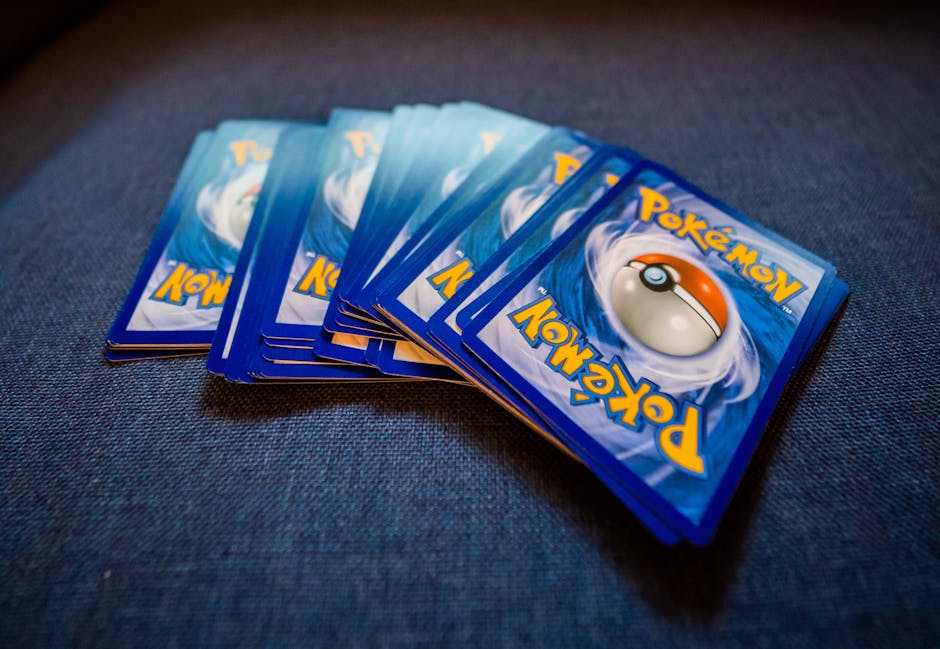
Monetization remains the elephant in the chrome plated room. Unlike the video game's upfront purchase model, trading card games thrive on artificial scarcity fueling compulsive booster pack purchases. When I asked industry analysts about potential microtransaction parallels, several noted that Pokémon TCG revenues exceeded $5 billion last year. For better or worse, this represents CDPR's first tentative step into ongoing revenue streams beyond game sales.
What concerns me isn't corporate greed but lost intimacy. There's magic in video games allowing personal connections with characters, shaping relationships through play. Fixed card attributes could codify interpretations Judy Alvarez forever defined by specific statistics rather than player shaped narratives. The counterargument suggests beautifully rendered cards might deepen appreciation through tactile interaction unavailable in digital spaces.
Interestingly, WeirdCo's leadership seems conscious of these pitfalls. Their background with Universus shows understanding of competitive scenes while Duel Masters experience hints at family friendly accessibility. If they successfully merge these approaches, we might witness something revolutionary in TCG design. Rumors suggest innovative mechanics reflecting Cyberpunk lore like Cyberware installations replacing traditional mana systems could provide fascinating gameplay wrinkles.
The Netflix effect cannot be overlooked. Since Edgerunners introduced David Martinez's tragic story, new fans entered Night City without controller in hand. These viewers might embrace card gaming as their primary engagement with the franchise. This creates fascinating demographic challenges should competitive tournaments emerge. Will events separate players using anime exclusive characters from those building decks around Keanu Reeves beloved rockerboy?
Perhaps most compelling is how this venture highlights gaming's material renaissance. In an increasingly digital world, people crave tangible connections to beloved fictional universes. Before dismissing this as niche, consider that Magic: The Gathering recently celebrated its 30th anniversary while Disney Lorcana caused nationwide shortages. Our hunger for physical collectibles persists precisely because they offer permanence in ephemeral digital landscapes.
For Night City devotees, the emotional calculus proves complex. Does supporting this TCG bolster future game development or divert resources toward corporate merchandise? Can fresh creative teams capture Mike Pondsmith's original TTRPG spirit that inspired this entire universe? When Project Orion eventually releases the next Cyberpunk video game, will we look back at these cards as charming artifacts or cynical cash grabs?
The answers depend entirely on execution. If the game respects intelligence with strategic depth while honoring its roots through breathtaking art, it might achieve something extraordinary. But should development prioritize profit margins over passion, even Johnny Silverhand's nuclear charisma couldn't save it from becoming just another corporate engram. For now, the shimmering promise of chrome plated cards reminds us why we fell for this beautifully broken universe despite its flaws. That lingering affection might just be the most valuable collectible of all.
 By Vanessa Lim